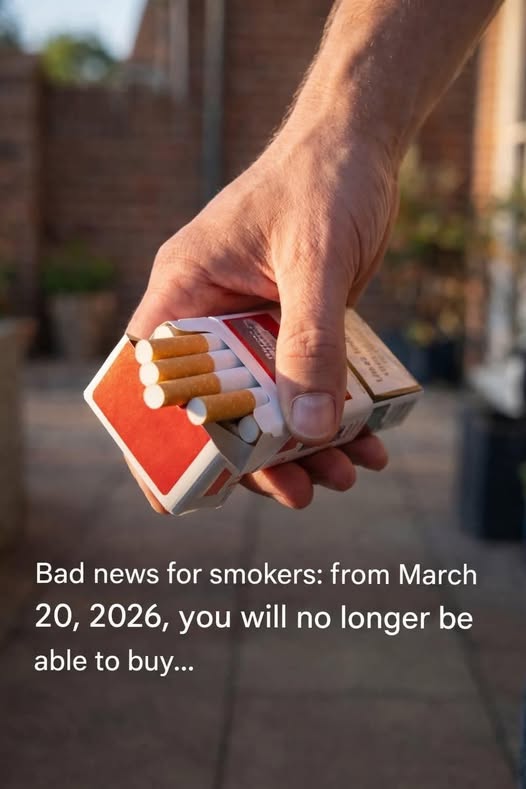
Tobacco in France has stopped being just a public health topic—it has become a quiet, persistent crisis unfolding in plain sight. Prices climb again and again, each increase announced as a necessary step forward, yet for millions of smokers the reality feels far more immediate and personal: another hit to already strained budgets, another reminder that an addiction legally tolerated is also increasingly financially punished.
What was once a simple purchase has turned into a daily calculation. A pack of cigarettes now drains wallets in a way that would have seemed unthinkable a decade ago. And yet, just beyond the nearest border, the same familiar brands often cost nearly half as much. That gap is no longer just an inconvenience—it is the fuel for a growing shadow economy, where cross-border runs, informal resale, and outright smuggling have become part of the landscape. The more the price rises, the more creative the workarounds become.
Officially, the message is clear and unwavering: higher taxes save lives. Government figures point to the staggering number of tobacco-related deaths each year, framing every price hike as a step toward prevention, protection, and long-term national health. In this narrative, discomfort is justified, even necessary—a temporary burden in exchange for fewer funerals in the future.
But on the streets, in cafés, and in small apartments where smokers try to cut down or quit without success, the story feels more complicated. Many experience not a helping hand, but a tightening grip. For those with the lowest incomes—who statistically smoke more and struggle more to quit—the rising cost is less a deterrent and more a form of financial pressure that hits already fragile lives the hardest. Quitting is rarely a straight line, and support systems often feel far away compared to the immediate sting of the price at the counter.
At the same time, enforcement expands in subtle but constant ways. Fines for smoking in restricted public spaces increase visibility and stigma. New bans appear in parks, beaches, and shared areas once considered neutral ground. Even the simple act of stepping outside for a cigarette becomes something increasingly monitored, regulated, and judged.
And all the while, an uncomfortable contradiction grows in the background. The state condemns smuggling, cracks down on illicit sales, and warns against the black market—yet the very structure of rapidly rising prices makes that underground economy almost inevitable. The more expensive legal tobacco becomes, the more attractive illegal alternatives grow, and the line between policy and consequence begins to blur.
In the end, tobacco in France is no longer just about smoking. It has become a complex intersection of health policy, economic pressure, personal dependency, and social inequality. Each pack carries more than tobacco—it carries a debate about responsibility, freedom, addiction, and the limits of state intervention. And as prices continue to rise, that debate only grows sharper, more emotional, and harder to ignore.