A normal landing was all anyone expected.
The aircraft descended through familiar skies, wheels approaching the runway at LaGuardia as passengers leaned forward in their seats, already thinking about baggage claims, taxis, and the ordinary rhythm of arrival. Then, without warning, everything changed.
A sudden jolt ripped through the cabin.
It wasn’t just a bump—it was violent, sharp, and wrong. Overhead compartments shuddered. Oxygen masks did not fall, but fear did. In an instant, the controlled descent of a routine flight into New York dissolved into something unrecognizable. The runway lights blurred into streaks, the aircraft lurched, and the sound of metal tearing against metal cut through the cabin like a warning no one was prepared to hear.
Screams followed almost immediately.
Passengers who had been seconds away from home found themselves gripping armrests, bracing against forces they couldn’t see or understand. Luggage tumbled, voices rose in panic, and confusion spread faster than anyone could process. Yet beneath the chaos outside the cockpit, something unexpected began to emerge inside it—something many survivors would later say they would never forget.
Calm.
Through the shaking aircraft and the escalating alarm systems, the voices from the cockpit remained steady. Controlled. Deliberate. The pilots did not sound defeated, nor frantic. Instead, they spoke with a clarity that cut through the fear like a lifeline.
Stay seated.
Brace.
Listen carefully to the crew.
Those were the kinds of instructions passengers remember most—not just the words, but the way they were delivered: firm, precise, unwavering. Even as the situation deteriorated and the aircraft’s movement became increasingly unstable, there was no panic in the tone guiding them from the front.
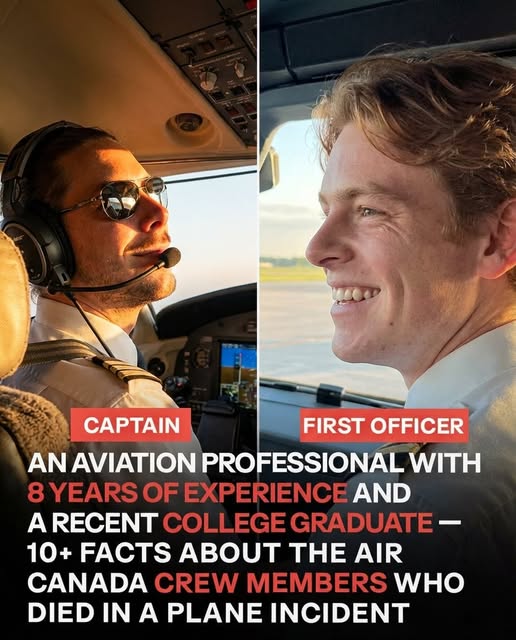
Some survivors recalled the captain’s final announcements, focused entirely on protecting lives in the cabin. His voice, they said, carried an almost unnatural composure—urgent without being chaotic, calm without being detached. Others remembered the first officer, speaking in short, controlled phrases as the unfolding disaster left no room for hesitation.
And then, as quickly as it had begun, it was over.
In the aftermath, silence replaced the noise of impact. The runway filled with flashing lights, rushing footsteps, and the shouted coordination of emergency responders. Firefighters moved through twisted wreckage with practiced urgency. Paramedics tended to the injured, guiding survivors toward ambulances as shock slowly gave way to disbelief.
Only later did the full weight of what had happened settle in.
The realization spread quietly at first, then all at once: the two voices that had held the cabin together in its darkest moments were gone.
As investigators and witnesses began piecing together the final minutes of the flight, stories of the pilots began to surface. One spoke of Antoine Forest, remembered by colleagues as someone who would ride his bike at sunrise before reporting for early departures, as if discipline and clarity began long before he ever entered a cockpit. Another recalled Mackenzie Gunther, known for studying flight checklists long after training sessions ended, refusing to leave anything to chance when lives were at stake.
In the days that followed, those memories took on a deeper meaning for many survivors. They began to see those final moments not just as a tragedy, but as a series of deliberate choices—made under unimaginable pressure by two people who never let their fear reach the cabin.
For those who lived through it, survival feels forever tied to those decisions.
And the lasting image is not only of chaos on a runway—but of two calm voices in the storm, guiding others to safety even as their own final chapter was already unfolding.