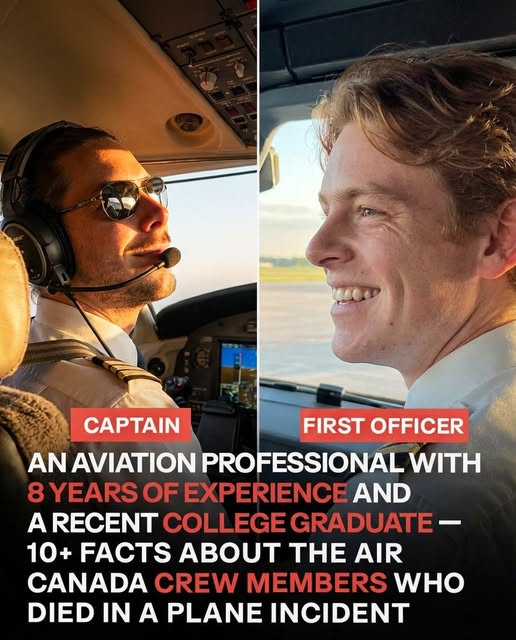
A routine descent. A familiar runway. A moment that should have ended like any other flight arriving into New York.
Then, without warning, everything changed.
A sudden jolt ripped through the aircraft as it aligned for landing at LaGuardia. In an instant, the calm rhythm of approach turned into chaos. The cabin shuddered violently. Overhead compartments rattled. Coffee cups, bags, and phones slipped from steady hands. And then came the sound no passenger ever forgets—the grinding scream of metal meeting concrete, followed by the sharp, unbearable realization that this was no ordinary landing anymore.
Within seconds, the flight that had begun like any other descended into panic.
Yet amid the terror, something unexpected began to stand out in the memories of those who survived: not just what happened outside the cockpit—but what came from inside it.
Passengers would later describe how, even as the aircraft shook and skidded across the runway, the voices over the intercom did not break.
They expected fear. They expected urgency tangled with panic. Instead, they heard calm.
The captain’s voice came through first—steady, deliberate, almost impossibly controlled considering the violence unfolding around them. He did not raise his voice. He did not rush. He gave instructions with precision, telling passengers to remain seated, to brace, to follow the crew’s guidance without hesitation. Every word carried the weight of someone forcing order into a moment that had none.
Then the first officer’s voice followed—shorter, clipped, but equally composed. Where chaos threatened to take over, he answered with focus. As the aircraft fought against the runway, as alarms screamed and warning lights flashed, he continued working the problem, speaking only when necessary, every syllable measured against the urgency of the moment.
For those strapped into their seats, time seemed to fracture. Seconds stretched into something heavier. Some passengers closed their eyes and held on to armrests until their knuckles turned white. Others stared forward, waiting for impact, waiting for the unknown end they believed was coming.
And yet, in that suspended terror, the cockpit voices never broke.
When the aircraft finally came to a violent stop, silence did not arrive immediately. Instead, there was confusion—smoke, flashing lights, the smell of burnt material, the distant wail of alarms that refused to die down quickly enough.
Emergency crews arrived in a blur of red and blue. Firefighters ran toward the wreckage. Doors were forced open. Injured passengers were carefully guided out and helped into ambulances lined along the runway, their flashing lights reflecting off broken metal and scattered debris.
Only later did the full weight of what had happened begin to settle.
The two pilots who had guided them through those final, terrifying moments were gone.
In the days that followed, stories began to surface—small fragments of who they were beyond the cockpit. One was remembered biking at sunrise before early departures, as if finding stillness before the noise of flight. Another was known for staying behind after training sessions, studying checklists and procedures long after others had gone home, chasing perfection in a job where perfection can mean everything.
Together, those details formed a picture that survivors could not stop returning to: two professionals who, even in the face of catastrophe, held onto control long enough to give others a chance to live.
Now, for many who were on board, survival is no longer just about what happened on that runway.
It is about the final decisions made in those last, impossible seconds.
And the memory that remains most vivid is not only the crash itself—but the calm voices that refused to surrender, even when everything else already had.