The first cough was soft, almost dismissible, like a hiccup in the rhythm of the playground. Emma barely registered it over the sound of her daughters’ laughter and the creak of the swings swaying in the spring breeze. But by the third cough, a chill ran through her chest, sharp and sudden, as if ice had seeped into her lungs. The laughter that had just filled the air now twisted, jagged and uneven, into ragged gasps. Emma’s heart lurched as she saw her daughters’ small bodies trembling, fighting for every breath in the open, sunlit space that had always felt safe.
The swings still squeaked with the rhythm of children at play. The sun still cast its golden warmth across the park. But there was something invisible in the air—something cruel and suffocating—that made the world feel wrong.
Instinct overtook reason. Emma scooped her daughters into her arms, one cradled against each side, feeling their tiny chests heaving against her own. Her pulse thundered in her ears as she realized their breaths were growing shallower, more frantic. The older one clutched her chest, eyes wide with fear, while the younger’s legs buckled beneath her, unable to hold her up. There were no warning signs, no smoke, no sharp scent—just the pure, rising terror of a mother who knew, with gut-deep clarity, that this was no ordinary episode.
Her hands shook violently as she fumbled for her phone, dialing emergency services while scanning the park desperately, looking for answers that weren’t there. Around her, life seemed to carry on. Other children still ran and played, oblivious. Birds chirped, leaves rustled. But for Emma, time had fractured; a serene afternoon had suddenly become a nightmare, and every second stretched like an eternity.
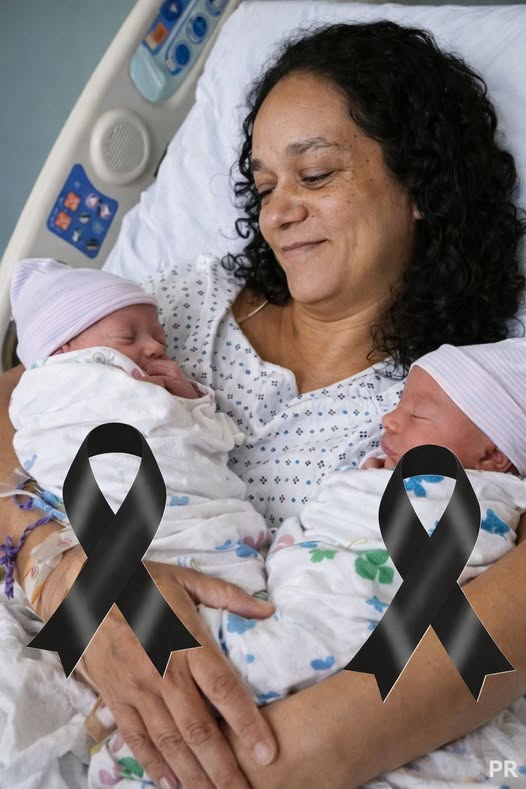
At the hospital, the world became a blur of beeping monitors, flashing lights, and sterile white walls. Oxygen masks dwarfed her daughters’ tiny faces. Doctors moved with quiet urgency, speaking in low tones about airborne irritants, possible chemical exposure, toxins, invisible threats that had turned Cedar Falls’ sunny park into a zone of terror. Emma hovered, helpless, gripping their hands and brushing back hair that clung to clammy foreheads, praying silently for answers that would make sense of the senseless.
Later, she would learn that other children had arrived from the same park, the same panic etched across small, frightened faces. Cedar Falls would be investigated, tested, debated, argued over in council meetings and news reports. But Emma didn’t care about the investigations or the chemical reports. For her, the betrayal was simple and brutal: the one place she had trusted above all—a place meant for innocence and laughter—had turned against her, against her daughters, in the cruelest, most incomprehensible way.
Even after the sun set, even after the air cleared, the memory lingered. The park remained, swings swaying in the wind, silent witnesses to the afternoon that had been stolen. And Emma, exhausted and trembling, knew that something had changed forever—not just in Cedar Falls, but in the fragile sense of safety every parent carries in their chest.