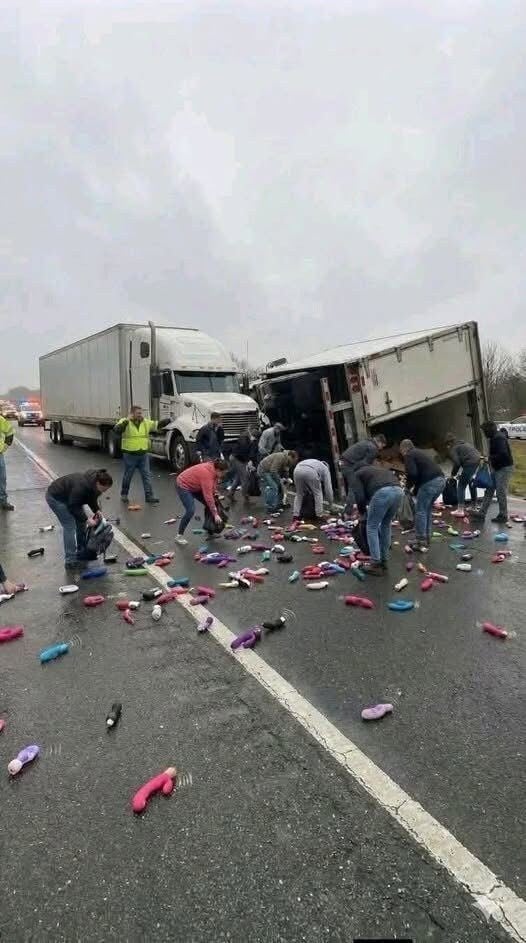
The alert appeared on screens with the casual indifference of countless others—a routine ping, easily ignored. But then the screaming began. Sharp, piercing, uncontainable. Within hours, what was first reported as a “serious accident” had transformed into a wound that cut across the nation, shattering families, friendships, and the illusion that tragedy could ever remain distant. On a quiet stretch of highway, flames licked the sky, smoke twisted upward, and amidst the chaos, phones buzzed relentlessly. Notifications stacked upon notifications, each one attempting to reduce catastrophe to a headline, yet failing to capture the staggering human cost. For a brief, terrifying moment, the country was forced to confront what it had long ignored: that behind every alert and every feed refresh were real lives, fragile and fleeting.
What began as a bland, almost forgettable notification became an indelible moment of collective grief and reflection. On that highway, ordinary people—laborers, students, parents, grandparents—were reduced to shards of metal, scattered memories, and rising smoke. In waiting rooms, bus terminals, and hospital corridors, families clung to every fragment of information, each text, each call, each rumor a lifeline in a world suspended between hope and dread. The elderly couple at the barricade, clutching each other as if their embrace could hold back fate; the young boy straining under the weight of a crate far away, oblivious to the tragedy unfolding elsewhere—these disparate images intertwined, creating a mosaic of vulnerability, endurance, and sudden, unrelenting loss.
In the days that followed, grief demanded more than silent mourning or perfunctory sympathy; it demanded accountability. The crash ignited fierce debates over road safety, regulatory oversight, and the societal habit of shrugging off preventable deaths as inevitable. Amid the ceaseless noise of the digital age, citizens wrestled to reclaim something stubbornly human: the insistence that every life lost must leave a mark, must demand meaning, must drive action. Slowly, amid sorrow, confusion, and outrage, a fragile clarity began to emerge: mourning alone is insufficient. True tribute comes when grief is transformed into vigilance, when tragedy becomes a call to protect, to prevent, to remember not just in moments of silence, but in lasting, tangible change.
The highway would eventually be cleared, the smoke would dissipate, and notifications would quiet—but the echo of that loss lingered. It reminded a nation that life, in its suddenness and fragility, refuses to be measured in pixels or headlines. Each story, each face, each fragment of human suffering demanded recognition. And in that recognition lay the only hope: that the next alert might not bring screams, but awareness, action, and the stubborn persistence of human care.