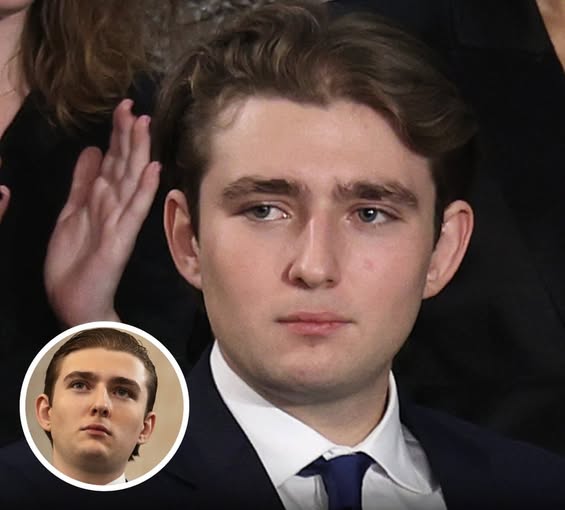
The chatter about war began with a single, stark announcement—and it hasn’t stopped reverberating since. Headlines blare with words like missiles, fireballs, and nuclear threats, with Iran looming as the focal point of global anxiety. Analysts debate strategy, pundits weigh in on policy, and yet, amid the swirling storm of international tension, the conversation suddenly turned homeward, to a single teenager who has never signed an order, fired a weapon, or weighed the fate of nations. Nineteen-year-old Barron Trump—private, largely unseen, and now an unlikely lightning rod—found his name trending online under the incendiary hashtag #SendBarron. Social media feeds filled with images of burning skies, stark commentary, and impassioned arguments about fairness, privilege, and sacrifice.
What seems like a meme on the surface is, in truth, a national reckoning disguised in pixels. The hashtag isn’t merely targeting one young man; it is tapping into a deep, persistent question that haunts America: if presidents can send other people’s children to fight, bleed, or die, should their own families ever be exempt from that risk? The outrage online reflects more than partisan sniping—it’s a collective interrogation of a system where the powerful are often insulated from the consequences of their decisions, and where the vulnerable bear the burden of battles they never chose.
For Barron, the scrutiny is deeply personal. He is only 19, and until now, largely protected from public life. Yet suddenly, he is the focal point of debates about war, duty, and fairness. Conversations about draft eligibility swirl alongside references to his father’s Vietnam-era deferments, whispered rumors of medical exemptions, and even the young man’s own physical characteristics—all elements that have been pulled under a spotlight far brighter than any teenager should endure. The result is a collision of privacy, privilege, and national ethics, forcing the country to confront uncomfortable truths about who is asked to sacrifice when leaders choose war.
In the end, the controversy is less about Barron himself and more about what he represents: a society wrestling with its own moral compass. It is a mirror held up to a nation still debating which children are deemed expendable, and which are protected by the invisible shield of power. The conversation ignited by #SendBarron may fade from trending lists, but the questions it raises—about fairness, accountability, and the human cost of decisions made in distant rooms—linger, refusing to be dismissed.