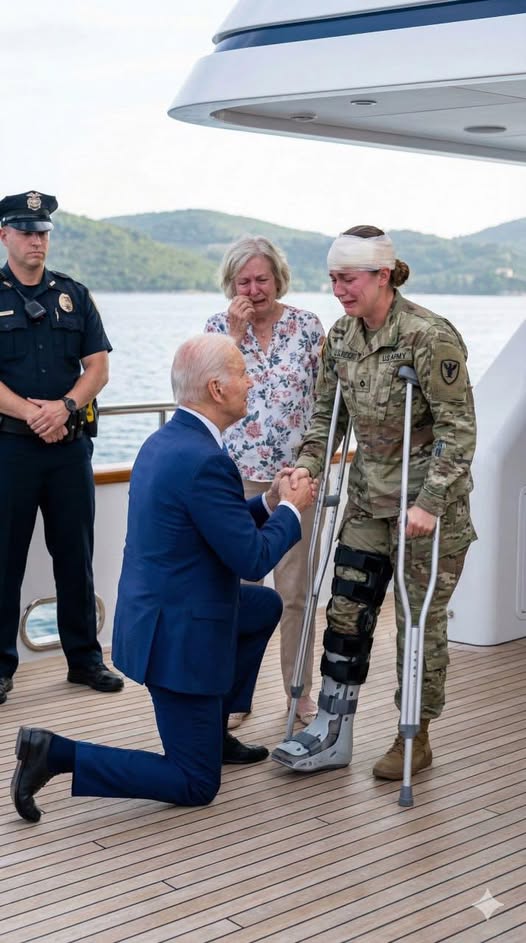
The day my parents chose a shiny new boat over my ability to walk, something inside me broke. Not with a crash or a shout, but quietly, insidiously—like glass cracking beneath a thick rug. It wasn’t the first time they had dismissed me, but that moment clarified everything: every sacrifice they’d demanded, every dismissal they’d ever uttered, every illusion of care I had clung to. Their refusal wasn’t just cruel—it was a revelation.
I took the surgery. I signed the loan. I endured the pain. And later, I bought their debt, their house, their carefully constructed narratives, their lies woven into walls and ledgers. By the time they realized who truly owned the life they thought they were controlling, it was already too late.
I didn’t awaken one day as someone cold or heartless. I became precise. Ruthlessness isn’t sudden—it is deliberate, cultivated. The injury forced me to rebuild my body, brick by painstaking brick. The betrayal forced me to rebuild my boundaries, to learn the currency of leverage and the quiet power of patience. While my parents poured money into my sister’s fantasies and the boat they could never afford, I signed papers designed to protect nothing but my leg. Every small, predatory step I took later became part of a larger blueprint—one they never saw coming. The “lottery win” wasn’t luck; it was a lifeline, a ticket to reclaiming autonomy, to learning the language of contracts, debts, and silent ownership.
I watched from the shadows as they celebrated their supposed financial genius in a house I now controlled. They toasted to partnerships, to deals, to victories that, in reality, had already slipped from their grasp. When the missed payment triggered the clause they had never read, I finally stepped into the light. Their outrage ricocheted against walls I owned, powerless to touch me anymore.
I didn’t seek revenge. I sought protection—of myself, my future, of the brother who had quietly sold his tools to keep me walking. I protected the version of me that refused to bleed for people who had refused to see my humanity. In the end, I didn’t destroy my family. I simply stopped being a casualty in their games. I walked away, on my own two feet, whole and unbroken, carrying a body healed and a mind sharpened by betrayal, proof that the cost of love is never the price of your own life.