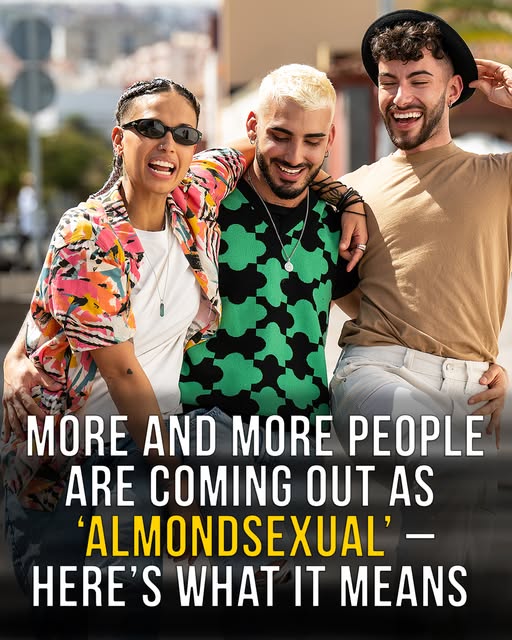
It hits you the moment you read it: almondsexual. The word is short, sweet, almost whimsical—but its meaning cuts deep. Is this a passing internet fad, a joke, or could it be the next frontier in the ongoing conversation about identity, attraction, and belonging? In a world where labels are multiplying faster than ever, some people feel seen for the very first time, while others feel left behind, baffled, or even irritated. But behind this strange-sounding term lies something very real: a struggle to find language that actually fits, a map for emotions that have often been too messy or too misunderstood to name.
Almondsexuality is one of the newest “microlabels” to emerge from online LGBTQIA+ communities, first coined in 2023 by a Tumblr user who wanted words that captured nuance beyond the traditional binaries. It refers to people who primarily feel attraction toward male-aligned or androgynous genders, while experiencing only occasional, subtle, or weaker attraction toward female-aligned genders. To those who identify with it, almondsexuality isn’t “just bisexual”—it’s a way of articulating the intensity, direction, and subtlety of their desire in a culture that often forces oversimplified boxes onto people’s inner lives. It’s precise. It’s personal. It’s liberating.
For many, these labels are lifelines. They are small words with enormous power, finally reflecting the complicated, sometimes contradictory realities of desire and identity. They allow people to speak truths that were once invisible, or worse, invalidated. For others, the proliferation of identity terms feels dizzying, even alienating. It can seem like the world of labels is spinning too fast, that identity has splintered into fragments so fine that nobody can keep up. And yet, whether you embrace the term almondsexual, roll your eyes at it, or simply don’t relate, there is an undeniable truth beneath the debates: every label represents a person, a real human trying to make sense of themselves in a culture that has historically offered them no words at all.
Almondsexuality may sound quirky at first, but the conversation it sparks is profound. It’s a reminder that language shapes our lives, that words have the power to include—or exclude—and that the need to be understood, to be seen for who we truly are, is universal. In the end, whether you recognize yourself in this term or not, almondsexuality is part of a much larger story: the ongoing human search for belonging, clarity, and self-expression in a world that often feels too fast, too loud, and too rigid to notice the subtleties of our hearts.