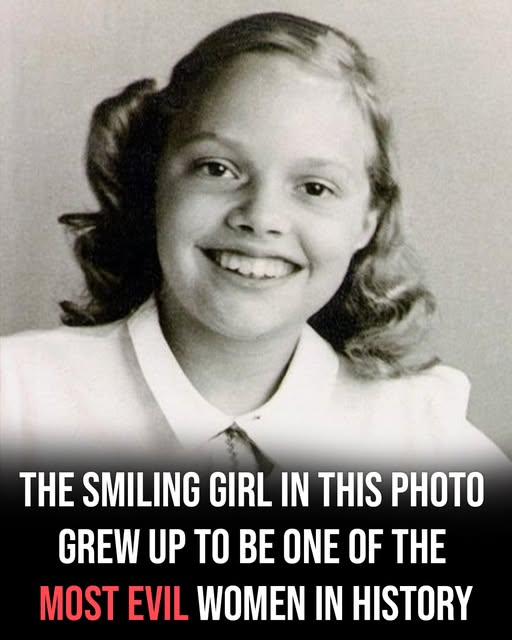
She was born broken, long before the world ever knew her name or the headlines would brand her a monster. From the very beginning, life offered no sanctuary. Abandoned by those who should have protected her, tossed from one cruel hand to another, she learned early that love could vanish like smoke and danger would never leave her side. The streets of her youth were a relentless teacher, shaping her with every betrayal, every scar, every moment when survival demanded more than innocence could give.
As she grew, the world outside remained indifferent, even hostile, and the shadows of her past clung to her like a second skin. Years passed, and with them came a darkness that could no longer be contained. One by one, bodies began appearing along Florida’s highways, silent witnesses to a story the nation wasn’t ready to hear. Every clue, every trace, seemed to point back to a single woman. Aileen. The whispers became headlines. The headlines became obsession. Police, press, and prosecutors closed in as the country watched with morbid fascination, torn between horror and curiosity: was she a cold-blooded killer, a predator who thrived on death? Or was she the tragic product of a lifetime of cruelty, a soul battered by a world that had never given her a chance?
In the courtroom, the transformation was stark. The frightened child, the desperate drifter, the woman who had fought to survive every day, was gone—or at least hidden beneath the weight of public scrutiny. In her place stood the accused, the confessed, the figure the media had sensationalized into the archetype of a “female serial killer.” Prosecutors painted her as a calculating predator, a woman who lured men to their deaths with deliberate intent. She, in turn, insisted she had been fighting for her life, reliving the terror of assaults and violations that had haunted her for decades. Every testimony, every gavel strike, seemed to echo the question that had obsessed the nation: could anyone survive such a life without becoming unrecognizable—even monstrous?
Death row brought a strange kind of silence. The chaotic noise of the world—the flashing cameras, the judgmental headlines, the endless speculation—faded into something distant. Interviews, documentaries, and the public’s insatiable appetite to define her all failed to capture the complexity of Aileen Wuornos. She was more than the sum of her crimes; she was rage, sorrow, and desperation entwined. The woman behind the legend revealed fragments of herself in fleeting moments: a sharp defiance, a brittle vulnerability, a glimpse of the little girl who had once known only fear.
In her final hours, she confronted the one thing she had always feared most: absolute solitude. The world had watched her life unfold, dissected her actions, and yet, in the stark quiet of her last moments, there was only her—defiant, wounded, unflinching. Aileen’s story refuses to fade because it refuses simple answers. It forces a brutal reckoning: when a life is forged in neglect, violence, and betrayal, where does accountability end—and tragedy begin? Where does the victim stop, and where does the villain emerge? Her life, her crimes, her death remain an enduring mirror to the darkest edges of human experience, haunting, provocative, and heartbreakingly human.