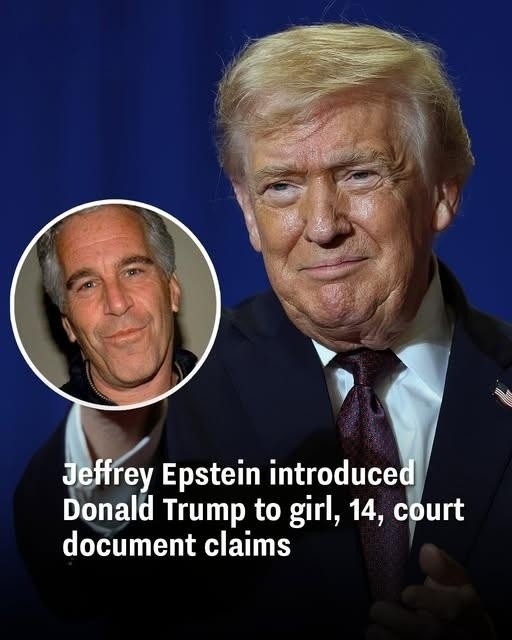
A recently circulated document has begun drawing intense scrutiny after observers noticed something unusual buried within its pages: one of the very few direct references to the President. In a text otherwise dominated by broader policy language, technical phrasing, and institutional framing, this single mention immediately stood out. Analysts, journalists, and political watchers quickly honed in on the line, treating it less like a passing remark and more like a carefully planted signal within a document where every sentence appears deliberately constructed.
At first glance, the reference might seem minor—just a brief acknowledgment in a much larger body of text. Yet in official documents of this nature, the presence or absence of presidential mentions is rarely accidental. When the President is referenced sparingly, experts say it often reflects a calculated choice. Every word, every clause, and every attribution is typically weighed with precision before publication. That makes even a short, understated mention worthy of attention.
Political analysts note that limited presidential references are sometimes used to maintain the institutional tone of a document while still subtly acknowledging executive authority. By mentioning the President only once, the writers may have been attempting to strike a careful balance: recognizing leadership without shifting the document’s focus away from policy substance and toward political personalities.
This restrained approach can serve several purposes. In some cases, it allows a document to appear less politically charged, presenting itself as technical or administrative rather than overtly political. In other situations, a brief mention can function as a quiet reinforcement of accountability—an understated reminder that the executive branch ultimately holds responsibility for the broader direction being discussed.
The scarcity of references has also ignited speculation across social media and political commentary circles. Some observers argue that the minimal mention was likely designed to avoid drawing excessive political attention to the President, particularly if the document addresses sensitive or controversial matters. Others interpret the single reference differently, suggesting it was intentionally placed to signal authority or alignment without dominating the narrative.
In the world of government communication, subtlety often carries weight. Documents are rarely written casually; they are crafted through layers of review, editing, and approval. As a result, even the smallest details—such as the presence of a single presidential mention—can invite deeper interpretation about the motivations behind the wording.
For many readers now examining the text line by line, that lone reference has become the focal point of discussion. What exactly does it imply? Was it simply procedural, or does it reflect a broader strategic message embedded within the document’s language?
As debate continues, one thing is clear: in official writings where every phrase is carefully chosen and every omission can be meaningful, even a single line about the President can carry significance far beyond its length. What might appear, at first glance, to be a minor detail has instead become a small but powerful piece of a much larger conversation about intent, authority, and the subtle language of governance.