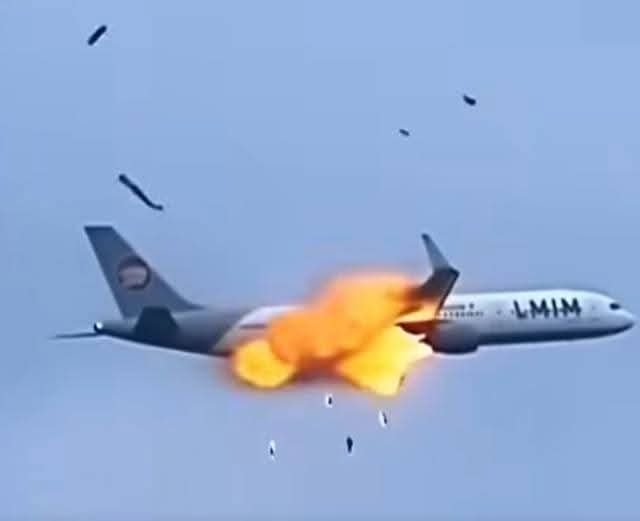
News of a serious aviation incident involving a commercial passenger aircraft has rapidly drawn the attention of people around the world. In the early hours after the event, fragmented reports began circulating through aviation channels and international news outlets, describing a plane carrying more than 240 people—including passengers and crew—encountering a major emergency shortly after takeoff or during a critical phase of flight. While the exact sequence of events has not yet been fully confirmed, the scale of the aircraft and the number of individuals on board immediately elevated the situation into a matter of global concern.
Airports, emergency responders, and aviation authorities moved quickly as the first alerts were issued. Rescue teams, medical personnel, and safety officials were mobilized within minutes, racing to secure the area and assist anyone who might have been affected. At the same time, air traffic control centers began reviewing flight data, communications records, and radar information in an effort to piece together the aircraft’s final movements before the incident occurred. The urgency of those early moments reflected the seriousness with which aviation authorities treat any event involving a large passenger aircraft.
For families and loved ones of those on board, the uncertainty has been especially difficult. Airports often establish dedicated support areas and information centers following incidents of this nature, allowing relatives to receive verified updates while authorities work to confirm details. Around the globe, travelers and aviation professionals alike have been watching closely, hoping for clarity as official statements slowly emerge.
Meanwhile, investigators are beginning the painstaking process of determining exactly what happened. Teams of specialists typically examine every possible factor when responding to aviation incidents. This includes reviewing the aircraft’s maintenance history, the performance of its onboard systems, pilot training and procedures, weather conditions at the time of flight, and any communications between the cockpit and air traffic controllers. Flight recorders—often referred to as the “black boxes”—are among the most critical sources of information, capturing both cockpit conversations and detailed technical data about the aircraft’s operation in the moments leading up to the event.
At this stage, officials are urging patience and caution. Aviation investigations are deliberately methodical and can take weeks or even months before definitive conclusions are reached. Authorities stress that early reports are often incomplete or inaccurate, and speculation can easily obscure the facts. For that reason, investigators focus on gathering verifiable evidence before offering any explanation about what may have occurred.
Across the aviation community, the incident has once again highlighted the extraordinary complexity of modern air travel. Commercial aircraft rely on layers of advanced technology, rigorous training standards, and extensive safety systems designed to prevent emergencies and manage them effectively if they arise. Every flight involves coordination between pilots, ground crews, air traffic controllers, engineers, and regulatory agencies working together to maintain one of the safest forms of transportation in the world.
Yet when a serious event does occur, it inevitably captures public attention and prompts reflection throughout the industry. Each investigation contributes valuable lessons, helping manufacturers, airlines, and regulators strengthen procedures and improve safety standards for the future.
As more verified information becomes available in the coming days, aviation authorities are expected to provide updates on the investigation and any confirmed details about the incident. Until then, the world continues to watch closely, aware that the answers emerging from this investigation will be critical not only for understanding what happened, but also for ensuring that the skies remain as safe as possible for the millions of travelers who rely on air travel every day. ✈️