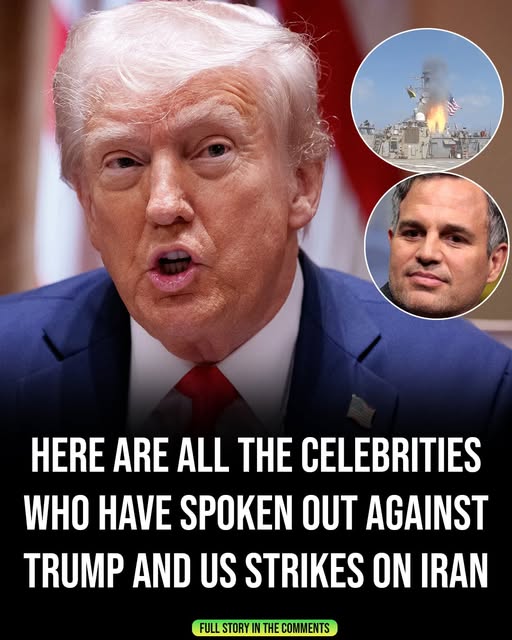
The backlash erupted almost as soon as the first explosions lit up the skies — fierce, instantaneous, and impossible to ignore. As coordinated U.S.‑Israeli strikes rocked Iran, some of the world’s most recognizable voices from music, film, literature, and comedy didn’t just murmur disapproval — they blasted it from the rooftops. What began as a geopolitical flashpoint quickly became a cultural firestorm, with critics branding the assault reckless, cynical, and in many cases morally indefensible.
Across social media platforms, public figures — from acclaimed novelists to beloved screen actors — lined up in rapid succession to condemn what they saw not as strategic warfare, but as a catastrophic gamble with human lives. For them, this was not merely a policy disagreement: it was a brazen betrayal of professed values and a harbinger of further chaos.
Rock legend Jack White set the tone with a blistering Instagram tirade that blended raw outrage with sharp satire, skewering President Trump’s theatrics and shameless branding even amid news of strikes. White’s words cut deep: he ridiculed the president’s self‑styled “leader of peace” image — juxtaposing it with war imagery and the idea that others’ children might be sent to fight and die while his own remain untouched.
Comedian and actress Rosie O’Donnell delivered her critique with equal fervor, reposting past campaign remarks that cast Trump as a champion of peace — only to label them, without filter, as brazen lies. Her blunt declaration, “he lies only and always,” struck at the heart of a narrative many saw unraveling in real time.
That same tenor of alarm echoed across the literary world. Horror maestro Stephen King didn’t mince words, invoking the Constitution and demanding accountability with the sharpest possible phrasing: “ Impeach the SOB.” For King and others, this wasn’t just political hyperbole — it was a constitutional crisis unfolding before the public eye.
Film and television talent added to the swell of dissent. John Cusack dubbed the offensive a “wag-the-dog war” — suggesting that the military action was little more than a distraction from scandals and internal strife — while Carrie Coon wryly dubbed the Pentagon the newly christened “Department of War.” These statements weren’t mere side comments; they reflected deep fears that the world was being drawn toward uncontrollable escalation rather than thoughtful diplomacy.
Even voices not typically aligned with the political left have expressed discontent, with some figures within Trump’s own broader support network accusing the administration of abandoning its long‑held promises against foreign intervention.
Behind these celebrity reactions lies a broader public and political divide: supporters of the strikes argue they were necessary for security and deterrence, while critics see them as a dangerous departure from diplomacy — a leadership choice that has torn alliances, inflamed tensions, and plunged the world into uncertainty. As the drumbeat of debate grows louder, these voices — artistic, fiery, and unbound by political office — are shaping how millions interpret the unfolding crisis.