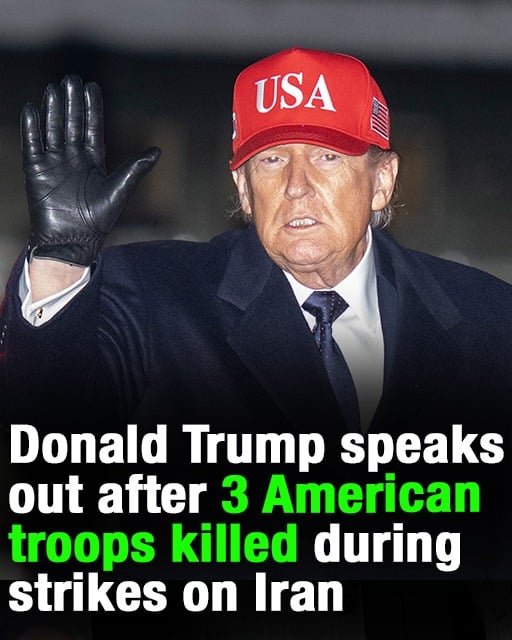
American flags are already being carefully folded, the crisp fabric pressed into triangles that will soon be handed to grieving families. Sirens continue to wail across Iranian cities, slicing through the smoke and rubble left in the wake of overnight strikes. And President Trump, in a voice equal parts defiance and resolve, declares that this is just the beginning. Three U.S. soldiers are dead. Hundreds of Iranians have reportedly perished. Washington calls the strikes “righteous.” But for families on both sides, the official language cannot shield them from the dread that comes with every knock at the door, every unexpected notification that could bring news of loss.
These attacks reopen the deep and festering wounds of the last fifty years: the hostage crises that shattered trust, the shadowy proxy wars that bled across borders, the constant fear of nuclear escalation, and the enduring belief that perhaps, just perhaps, the next barrage of bombs might somehow deliver peace. In Washington, the rhetoric is familiar and rehearsed — “righteous mission,” “ultimate sacrifice,” “exhaustive diplomacy” — but in reality, on the ground, the outcomes remain the same: bodies strewn across streets, buildings reduced to rubble, and grief that recognizes no nationality, no flag, no banner.
For the families of the three Americans killed, Trump’s pledge of “vengeance” is a hollow consolation, a reminder that their loss is now part of a larger, unfolding conflict. In Iran, mourning is equally visceral. Funerals for hundreds of the dead play out under skies still scorched by the echo of foreign jets, banners of protest mingling with cries of sorrow. Some see the strikes as a demonstration of strength, a necessary show of force in a world of threats and rivalries. Others decry it as reckless, a dangerous slide into yet another generational war whose consequences will ripple long after political speeches fade.
History will make its judgment. And in the meantime, ordinary people—on both sides of this widening chasm—will continue to live, or die, with the cost. Their lives, their homes, their futures, hang suspended in the aftermath of decisions made far from the rubble-strewn streets they call home.