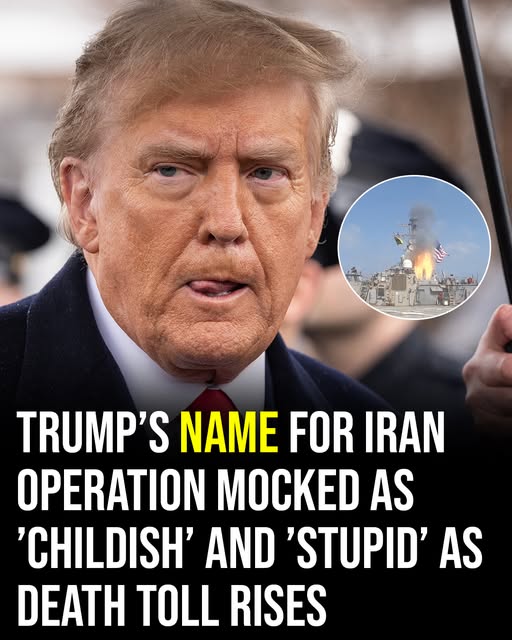
The name lands with a thud—too loud, too glossy, too theatrical for the horror it attempts to frame. In the middle of a region already trembling under the weight of sirens and smoke, the Trump administration unveils its latest military campaign against Iran with a title that sounds ripped from a summer action franchise: “Operation Epic Fury.”
It is a phrase engineered for applause lines and social media banners. But while the words trend, missiles arc across the night sky. While hashtags multiply, buildings collapse. While press briefings roll on beneath polished seals and flags, rescue workers claw through concrete dust in search of voices that may never answer.
Across the Middle East, the reality is uncinematic and merciless. In Tehran, shattered windows glitter across streets where traffic once roared. In Cyprus, air raid sirens carve through the quiet, sending families scrambling into shelters. Smoke drifts over airfields and apartment blocks alike. Hospitals swell with the injured. Lists of the missing grow longer by the hour. For those living through it, there is no “epic,” no “fury” that feels heroic—only chaos, fear, and the suffocating weight of uncertainty.
As images circulate globally—burned-out infrastructure, grieving parents, exhausted medics—the dissonance becomes impossible to ignore. On one side stands a sleek, comic-book title delivered from a podium in Washington, framed by calculated rhetoric and patriotic flourish. On the other, raw footage of lives upended in seconds. The branding feels almost surreal, as though a real and deadly conflict has been repackaged for dramatic effect, its human toll reduced to a backdrop for spectacle.
The backlash is swift and unusually broad. Social media explodes not only with outrage from critics but with unease from unexpected quarters. Longtime allies express discomfort behind diplomatic language. Commentators who once cheered aggressive posturing now question the optics. Even some of Trump’s most loyal supporters—voices typically quick to defend—hesitate at the tone, unsettled by the triumphant cadence paired with rising casualty counts.
This reaction goes deeper than partisanship. It touches a nerve about how modern warfare is presented—and perhaps how it is conceived. Critics argue that language shapes perception. When military campaigns are wrapped in adrenaline-soaked titles, they risk obscuring the grim arithmetic of conflict: civilians displaced, families fractured, futures erased. The concern is not merely about taste; it is about moral framing. If war can be marketed like a blockbuster premiere, does it become easier to sell? Easier to escalate? Easier to repeat?
As the dust begins to settle over cracked skylines from Tehran to the Mediterranean coast, the contrast remains stark. The polished phrase lingers in headlines. The rubble remains in streets. One will fade from trending feeds in days or weeks. The other will define communities for years.
In the end, the outrage is less about branding and more about what it reveals—a widening gap between the theater of power and the lived reality of those beneath the blast radius. And hovering over it all is a quiet, unsettling question: when leaders name war as if it were entertainment, how far are they from scripting the sequel?