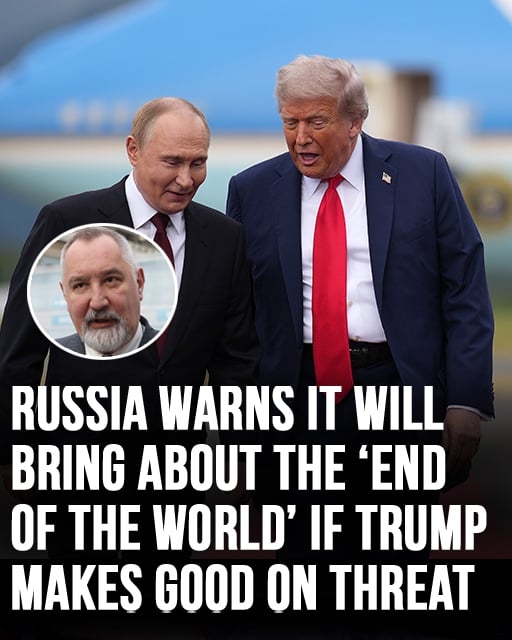
Trump’s bold threat sent shockwaves across the globe, leaving diplomats, military strategists, and everyday citizens alike grappling with a new, unnerving reality. Once a remote, icy expanse largely ignored by the world’s superpowers, Greenland has suddenly transformed into the planet’s hottest and most perilous frontline. The frozen island, long considered a strategic curiosity, now pulses with geopolitical tension: NATO allies are racing to deploy troops and advanced military hardware, Russia is issuing dire warnings about nuclear Armageddon, and experts whisper in shadowed corridors about red lines, preemptive strikes, and a fragile nuclear balance that has held for more than eight decades. Every decision, every word, could trigger a chain reaction with consequences that no one alive has ever faced.
The president’s intense fascination with Greenland has elevated what was once a theoretical real estate discussion into a full-blown geopolitical powder keg. Danish and Greenlandic leaders have made it unequivocally clear: the island is not for sale. Yet the White House has shifted its rhetoric, framing control of Greenland not as a negotiation but as a matter of urgent national security—a strategic imperative that cannot be compromised. This aggressive posture has alarmed even America’s closest allies. NATO partners, uneasy at the prospect of one member coercing another, have mobilized forces and equipment to the Arctic, determined not to stand by while old alliances are tested in the name of territorial ambition.
The reaction from Moscow has only intensified the stakes. Russian hawks have openly speculated that Trump’s Greenland ambitions could transform the island into a nuclear launchpad and missile shield, potentially dismantling the delicate equilibrium that has kept the world free from nuclear conflict since 1945. One senior Russian senator went further, warning that such moves could signal “the beginning of the end of the world.” While many dismissed such rhetoric as bluster, the warning carries weight: in the icy darkness of the Arctic, a single miscalculation—a misunderstood order, a misread signal, an accidental provocation—could spiral into catastrophe. The danger is no longer just theoretical. It is tangible, present, and terrifyingly close, lurking behind every frozen ridge and every strategic decision.
In the end, the greatest threat may not come from deliberate aggression, but from human error in a high-stakes theater where mistakes are unforgiving, and the consequences could be irreversible. Greenland, a land of ice and silence, has become the world’s most volatile chessboard—where a single wrong move could rewrite history.