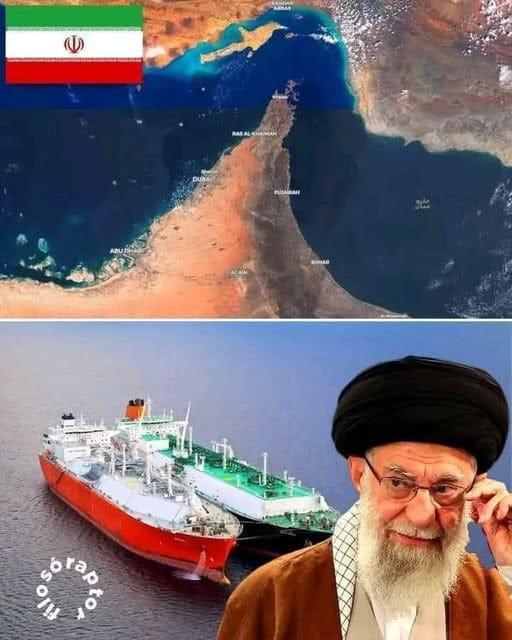
The Strait of Hormuz is one of the most strategically vital waterways on the planet — and it has once again become the center of global attention.
Stretching just 33–34 kilometers at its narrowest point, this thin strip of water separates Iran from Oman and connects the Persian Gulf to the Arabian Sea. Despite its modest width, it functions as the main artery of the global energy system. Every single day, nearly 30% of the world’s traded crude oil and about one-third of global liquefied natural gas (LNG) shipments pass through this corridor.
Now, amid rising tensions following reported U.S. strikes on Iranian nuclear facilities, Iran has threatened to block this crucial route — a move that could trigger what many analysts are calling a potential “Strait of Hormuz Crisis.”
Why Is the Strait So Important?
The Strait of Hormuz is not just another maritime passage. It is the central hub of global energy trade. Oil and gas exports from major producers such as Saudi Arabia, Iraq, Kuwait, the UAE, and Qatar all depend heavily on this route. If it were to be shut down — even temporarily — global supply chains would be severely disrupted.
A closure could cause:
- Oil prices to surge dramatically
- Energy markets to panic
- Shipping insurance costs to skyrocket
- Stock markets worldwide to tumble
- A potential ripple effect leading to a broader global economic slowdown
In short, blocking this narrow waterway could send shockwaves through the global economy.
What Does This Mean for India?
For India, the implications are particularly serious. India imports over 80% of its crude oil needs, and a large portion of that oil travels through the Strait of Hormuz.
If Iran blocks the strait:
- Crude oil prices could spike sharply
- Petrol and diesel prices in India could rise significantly
- Airfares may increase due to higher aviation fuel costs
- Inflation could climb, impacting household budgets
- The rupee may face pressure against the dollar
In simple terms, a disruption thousands of kilometers away could directly affect your fuel bill, grocery expenses, electricity costs, and even flight tickets.
The Global Power Equation
The situation also raises major geopolitical questions:
- How will the United States respond if Iran attempts a blockade?
- Will American naval forces intervene to secure shipping lanes?
- Could China — a major oil importer from the Gulf — play a diplomatic or strategic role?
- How prepared are global energy markets for a prolonged disruption?
The Strait of Hormuz has long been described as a geopolitical pressure point. While Iran has previously threatened to close it during periods of tension, an actual blockade would represent an unprecedented escalation with worldwide consequences.
The Bigger Picture
It is extraordinary that a waterway barely over 30 kilometers wide holds such immense power over the global economy. Yet this narrow maritime passage remains one of the most critical choke points in international trade.
If tensions escalate, the world could witness soaring fuel prices, economic instability, and intensified military presence in the region. For energy-dependent nations like India, preparedness, diversification of supply, and strategic reserves become crucial.
The Strait of Hormuz may be small in size — but its impact is vast enough to shape the economic future of nations across the globe.