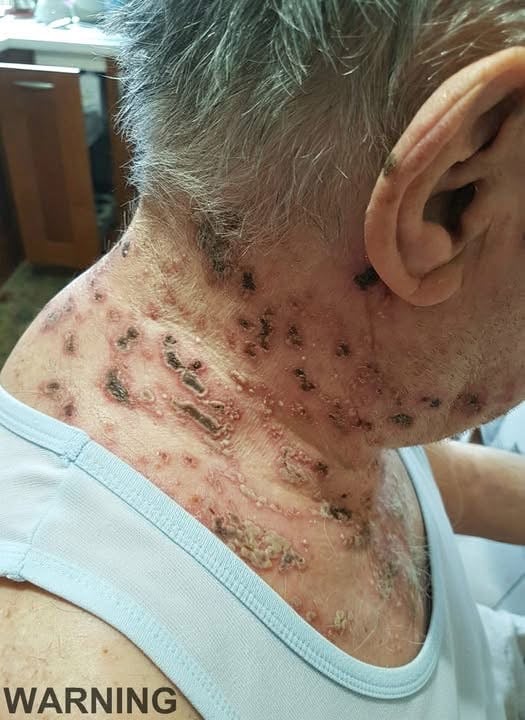
Herpes zoster—better known as shingles—is one of those conditions where timing can make all the difference between a relatively manageable illness and months, or even years, of lingering pain. Doctors stress that early treatment isn’t just helpful with shingles—it’s absolutely critical. The condition is caused by the reactivation of the varicella-zoster virus, the same virus that causes chickenpox. After a person recovers from chickenpox, the virus doesn’t disappear. Instead, it lies dormant in the nervous system, sometimes for decades, before reawakening unexpectedly as shingles.
What makes shingles especially dangerous is how quietly it often begins. In its earliest stage, there may be no rash at all. Instead, people commonly experience strange, hard-to-explain sensations on one side of the body or face: tingling, burning, itching, stabbing pain, or deep nerve discomfort. These symptoms can appear days before any visible skin changes, and because they don’t always seem serious at first, many people dismiss them as muscle strain, stress, or a minor skin irritation. Unfortunately, this is often when shingles is at its most treatable.
Medical experts consistently emphasize that the first 72 hours after the shingles rash appears represent the most important treatment window. During this short period, antiviral medications are most effective. When started promptly, these medications can significantly reduce the intensity of the outbreak, help the rash heal faster, and—most importantly—protect the nerves from lasting damage. Early treatment doesn’t just calm the skin; it helps prevent the virus from causing deeper inflammation in the nervous system.
When treatment is delayed or missed altogether, shingles can become far more severe. The virus may continue to inflame the nerves, leading to stronger pain, wider rash distribution, and a longer recovery process. In some cases, the physical rash fades, but the pain does not. This is where one of the most feared complications of shingles comes into play: postherpetic neuralgia.
Postherpetic neuralgia occurs when nerve pain persists long after the shingles rash has healed—sometimes for months, sometimes for years. The pain can be constant or come in sharp, electric shocks that disrupt sleep, interfere with concentration, and significantly reduce quality of life. For some people, even light touch or clothing brushing against the skin can be unbearable. Older adults and individuals with weakened immune systems face the highest risk, which is why doctors are particularly urgent in advising these groups to act quickly at the first warning signs.
Healthcare professionals are clear and consistent in their message: don’t wait and see. Sudden, unexplained pain or sensitivity on one side of the body—especially when paired with tingling or burning—should never be ignored. If a rash begins to form, even if it seems mild, medical care should be sought immediately. A prompt diagnosis and early antiviral treatment can dramatically change the course of the illness.
With shingles, timing truly is everything. Acting early can mean faster healing, less pain, and a far lower risk of long-term nerve damage. Waiting, even a few days, can turn a treatable condition into a life-altering one. When it comes to shingles, listening to your body and responding quickly isn’t just smart—it can protect your health for years to come.