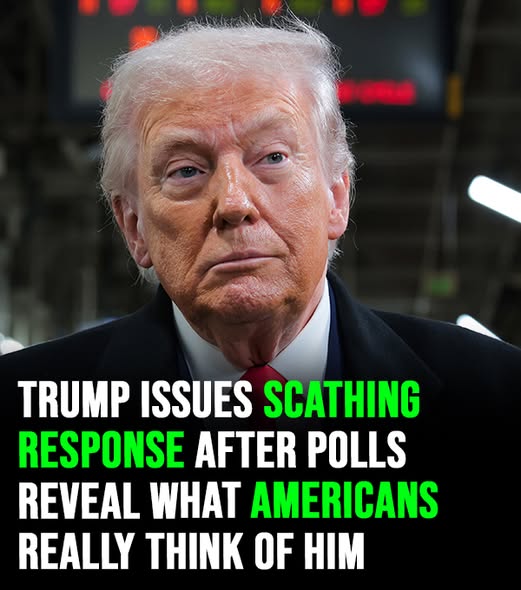
Donald Trump is sinking—and unlike anything he has faced in years, he knows it. The armor of invincibility he has meticulously built over decades is showing cracks, and every new poll seems to drive another wedge into his carefully constructed image. The numbers don’t lie: surveys from AP-NORC, The New York Times/Siena, and other prominent pollsters are slashing into his presidency, exposing a stark reality that his loyal followers may find hard to reconcile. His approval ratings are slipping into the low 40s, even brushing against the high 30s—a dangerous territory for any modern president, and a territory Trump has never had to navigate so publicly before.
But Trump’s response isn’t measured. There are no quiet strategists whispering in the background, no calm reassurances to the public. Instead, what emerges is raw, unfiltered rage. Accusations fly. Threats are leveled. And in a series of explosive posts on Truth Social, he lashes out at the media, pollsters, and even his own party, crossing lines that even some Republicans fear to tread. His social media tirades have become something more than commentary—they are a declaration of war against anyone daring to question him.
The polls, however, are not merely numbers. They are a mirror reflecting a growing weariness among Americans—a fatigue with constant crises, from the economy to immigration, from foreign policy to domestic unrest. Voters are showing dissatisfaction not just with policy outcomes, but with the perpetual drama of Trump’s political theater. Yet, instead of seeing this as a signal to recalibrate, Trump spins it as part of a conspiracy, insisting that these polls are “Fake and Fraudulent,” framing every critical statistic as evidence of a plot to undermine him.
In his latest Truth Social broadside, he again proclaims that he “won in a Landslide” in 2020, casting doubt on the legitimacy of American democracy itself while rallying his base around a narrative of betrayal and persecution. This isn’t just about polling; it’s about control. By attacking the system, Trump strengthens loyalty among his followers, pressures wavering Republican allies, and deepens the fractures of mistrust that run through the nation’s institutions.
The question now is whether this strategy will serve as armor or isolation. Will his aggressive defense of his narrative galvanize supporters for the midterms, or will it accelerate the erosion of his influence among a public growing tired of unrelenting conflict? The answer may define not just the future of Trump’s political career, but the stability of the party he has long dominated. For the first time in years, the former president is confronting a fear he has always eluded: the possibility that his brand, his persona, and his grip on power may no longer be bulletproof. And he is reacting the only way he knows how—loudly, defiantly, and without compromise.