Blood on the pavement. An ICU nurse gunned down in broad daylight. A city on edge as federal command structures pivot in real time. Minneapolis — already roiling from nationwide immigration enforcement actions — now feels like the eye of a political storm, where protests, military‑style raids, and deep grief have collided with explosive force.
In the dead of winter, Minneapolis streets have become a crucible of anger and mistrust. What began as a federal immigration crackdown has morphed into something far more combustible. Residents have watched armored vehicles roll through neighborhoods, helicopters thrum overhead, and uniformed agents knock on doors in pre‑dawn raids. As the death toll mounted — including the earlier killing of Renée Nicole Good, a mother of three — simmering discontent gave way to daily demonstrations and demands for answers.
The death of Alex Pretti, a 37‑year‑old ICU nurse at the Minneapolis Veterans Affairs Medical Center, became the flashpoint. Federal authorities initially described the encounter as a violent threat to agents; DHS informed Congress that two federal officers fired their weapons during the confrontation. But as cellphone videos and witness accounts circulated online, that narrative crumbled. Footage showed Pretti attempting to help others after a confrontation with agents, holding a phone as he moved to assist — not a weapon — and being wrestled to the ground before bullets rang out.
Minnesota leaders and activists cried foul, portraying his death not as a law‑enforcement necessity but as a tragic execution of a beloved caregiver who had taken to the streets out of conscience. Gov. Tim Walz condemned a “campaign of organized brutality,” and thousands took to the streets demanding federal agents be pulled back from their communities.
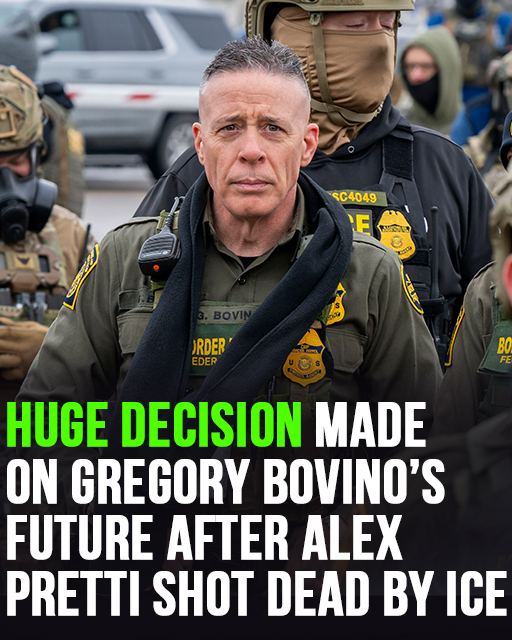
Amid the mounting outrage, the Trump administration sought to shift course. Gregory Bovino, a senior Border Patrol official who had become the public face of the crackdown — and who defended the actions of agents with incendiary rhetoric — was abruptly reassigned. President Trump sent former ICE director Tom Homan to oversee operations in Minnesota, a move officials described as a routine personnel change even as critics saw it as a tacit acknowledgment that the administration’s approach had backfired.
The scene in Minneapolis, however, is far from settled. Official talking points that once cast protesters as “domestic terrorists” have softened into expressions of “tragic loss.” Social media accounts connected to federal command figures have gone quiet. Legal challenges have erupted in federal court over the limits of DHS authority and the preservation of evidence in Pretti’s killing. Eleven deputies have faced questions about chain‑of‑command and training; state and local officials continue to call for transparency and accountability.
For many Minneapolis residents, this is not just a policy dispute — it’s an urgent reckoning with the place of force in American life. Where militarized tactics were meant to impose order, they have instead intensified resistance. Minneapolis stands as a stark warning: when power is asserted through fear and ambiguity rather than consent and clarity, the backlash can be swift, personal, and unforgiving.