The hammer didn’t just fall — it slammed.
In less than 24 hours, Minnesota’s welfare system was abruptly frozen, federal agents fanned out in coordinated raids, and California found itself pulled into the widening blast radius of a sweeping federal fraud investigation. What began as a localized scandal has now exploded into a multi-state confrontation, with Donald Trump openly accusing Democratic governors of presiding over what he calls sprawling, taxpayer-funded corruption networks.
According to Trump, this isn’t mismanagement or bureaucratic sloppiness — it’s an “empire of fraud.” Billions of dollars are allegedly unaccounted for. Daycare centers that should be buzzing with children sit eerily empty. And investigators are now probing whether money intended to support vulnerable families may have been diverted to criminal enterprises or even, as some officials quietly fear, extremist activity.
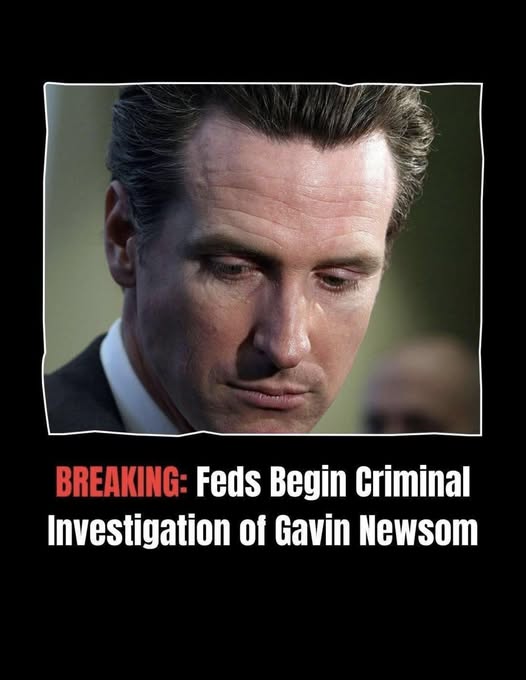
The announcement of a federal fraud investigation into California, coming on the heels of the Minnesota childcare scandal, marks a dramatic rupture between Washington and blue-state leadership. By singling out Governor Gavin Newsom and declaring California’s system “more corrupt than Minnesota,” Trump is framing this moment as something far bigger than a routine audit. This is being cast as a moral reckoning — a public trial over who can be trusted to steward federal welfare dollars, and who cannot.
Behind the fiery rhetoric, the policy consequences are already real and immediate. Federal childcare payments to Minnesota have been shut off entirely. New nationwide verification requirements now demand detailed receipts, photographic proof, and real-time documentation for funding eligibility. Whistleblowers are being actively solicited, encouraged to come forward with promises of protection and potential rewards. The message from Washington is unmistakable: the era of trust is over.
Fueling the outrage is a flood of viral footage showing daycare facilities that reportedly received millions in public funds — yet appear abandoned, understaffed, or outright nonexistent. These images have become the emotional core of the scandal, galvanizing public anger and sharpening partisan lines. Supporters see long-overdue accountability. Critics warn of political theater and collective punishment.
Whether the California investigation ultimately uncovers fraud on the same scale remains to be seen. But in politics, perception often moves faster than proof — and that battle is already raging. What’s unfolding is no longer just about welfare programs. It’s reshaping the national conversation on immigration, government competence, and the credibility of state leadership itself.
And as the investigations widen and the accusations grow louder, one thing is clear: this story is no longer contained. It’s metastasizing — and the fallout could redefine the balance of power between Washington and the states.