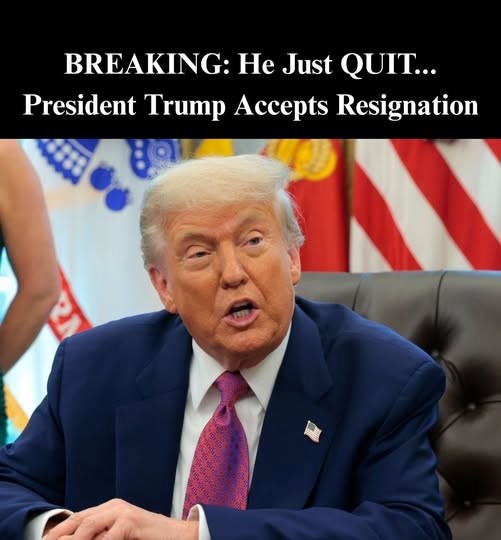
He didn’t retire. He detonated.
A federal judge appointed by Ronald Reagan — a man who once embodied the conservative faith in institutions, restraint, and the rule of law — didn’t quietly fade into retirement or accept a ceremonial farewell. He walked away from a lifetime appointment, one of the most secure and coveted positions in American public life, and he did it with a letter that reads less like a goodbye and more like a warning flare fired into a rapidly darkening sky.
In that letter, Judge Mark Wolf doesn’t mince words. He describes a judiciary under siege, where lines that once felt immovable are being crossed with alarming ease. Justice, he warns, is no longer treated as a neutral pursuit of law but as a loyalty test — a demand to align with power rather than principle. Judges, he suggests, are being pushed into an impossible choice: obey conscience or survive the political crossfire.
That is what makes Wolf’s decision so extraordinary. Federal judges almost never surrender life tenure. It is the ultimate shield against political pressure, the cornerstone meant to guarantee independence. Wolf didn’t lose that protection; he rejected it. His resignation was not a graceful exit from public service or a quiet step into retirement. It was a calculated act of protest — a refusal to legitimize a system he believes is being bent toward obedience and away from law.
By stepping down, Wolf shattered a comforting illusion: that the judiciary remains safely insulated from raw political force simply because the Constitution says it should be. His message is chilling precisely because it comes from someone who benefited from that insulation for decades. This wasn’t a partisan firebrand or a liberal activist sounding the alarm. This was a Reagan appointee saying, plainly, that independence is no longer protected — it is punished.
Inside the system he describes, fear has become a silent presence in judges’ chambers. Decisions are no longer weighed solely on precedent and statute, but on the potential consequences beyond the courtroom: retaliation, character assassination, coordinated outrage campaigns, and political pressure that arrives not as an overt command but as an unspoken threat. The law, Wolf implies, is still written — but the cost of following it has changed.
And that is the most unsettling part. His warning isn’t really about Donald Trump as a singular figure or one administration’s excesses. It’s about what happens to a system when loyalty is rewarded and independence is treated as betrayal. When judges begin calculating survival alongside justice, the rule of law doesn’t collapse overnight — it erodes quietly, decision by decision, silence by silence.
Wolf’s resignation forces a far more uncomfortable question onto the rest of us. If a judge appointed by Reagan — someone steeped in the very tradition that once preached reverence for institutions — believes the guardrails are failing, how long can anyone keep pretending this is normal? How long can we call this politics as usual when even lifetime judges are walking away to sound the alarm?
This is not a footnote to the Trump era. It is not a dramatic aside or an overreaction. It is a line drawn in the sand by someone who has seen the system from the inside and decided that silence was the greater risk. His resignation is both a warning and an invitation — to decide whether we will accept a justice system governed by fear and loyalty, or defend one rooted in independence and law.
Because when a judge gives up everything to say this out loud, the real question isn’t what he’s leaving behind. It’s what the rest of us are willing to stand up for.