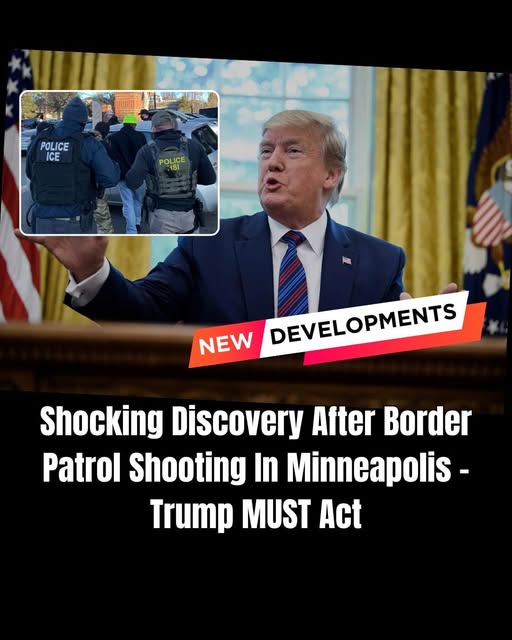
The mask has slipped in Minneapolis — and what some have tried to portray as a series of spontaneous demonstrations has started to look far more ominous in its organization and intent. In the wake of multiple fatal and non‑fatal shootings involving federal immigration agents, including the death of 37‑year‑old ICU nurse Alex Pretti and earlier the killing of Renée Good, the city has become a crucible of rising anger, distrust, and nationwide attention.
At first glance, the gatherings that have engulfed Minneapolis and rippled outward to cities across the United States resemble the familiar cadence of civic protest — passionate chants, marchers with handmade signs, blocks of people demanding accountability and justice. But beneath that surface, according to reporting from journalists on the ground and corroborated accounts from local observers, there are signs of structure and strategic coordination that go beyond organic street noise. What started as neighborhood groups bearing whistles and cellphone footage has evolved into something that looks almost like an operational network.
Conversations on encrypted messaging apps have surged. Neighborhood “watch” efforts that began with scanning license plates at the first signs of federal enforcement have grown into real‑time shared maps and patrol zones. People are exchanging detailed information on federal vehicle movements and discussing tactics that — disturbingly — mirror training terminology more familiar to intelligence agencies than grassroots activism. There are references, even in fringe online posts, to principles of surveillance, target reporting, and escalation planning.
This is not to say that every person marching or chanting in Minneapolis shares the same intentions — or that the vast majority are anything other than genuinely outraged citizens demanding justice after what many see as unjustified use of force. But the context shaping these events — two deaths at the hands of federal immigration officers in less than a month, aggressive enforcement operations under what’s been termed “Operation Metro Surge,” and the heavy deployment of Homeland Security personnel — has created an environment where tactical thinking thrives.
Local law enforcement and political leaders have openly acknowledged the strain. City officials have called for federal agents to withdraw and for transparent investigations into the shootings, asserting that the federal narrative often conflicts with video evidence and witness accounts showing victims unarmed or subdued before being shot. Meanwhile, state officials, including the governor and mayor, have tried to balance calls for peaceful protest with the reality of growing, highly organized opposition to the federal presence.
As a result, the danger now is two‑fold. It’s not just about what organizers might do in moments of heightened confrontation — it’s about how ill‑prepared many local institutions and ordinary residents are for the broader implications of this moment. If loosely connected groups begin to adopt the language and methods of coordinated campaigns — sharing intelligence, delineating zones of enforcement or protest, and talking in tactical terms — the line between civic activism and quasi‑paramilitary posture becomes harder to ignore.
Minneapolis may be the test bed, but the shockwaves are already reaching cities from New York to San Francisco to Washington, D.C., where sympathetic marches and rallies have sprung up. And if these patterns continue to evolve — structured, networked, and driven by a combination of outrage and strategic ambition — the broader social and political landscape could be altered in ways that extend far beyond Minnesota’s borders.