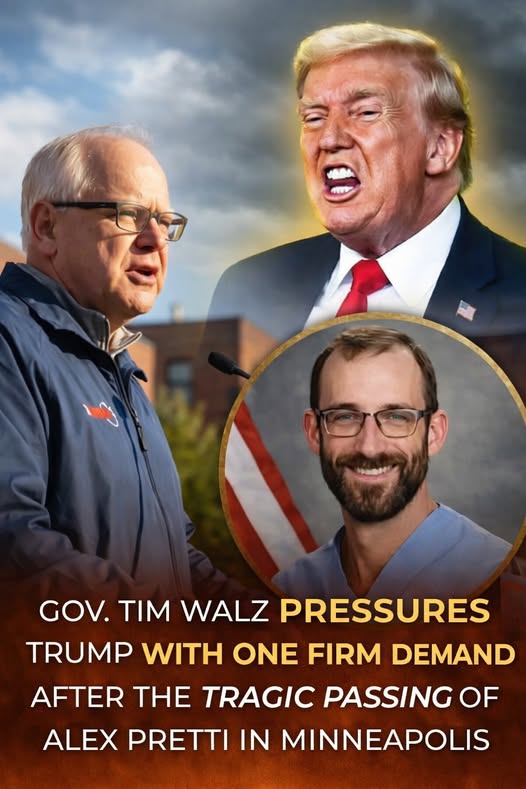
Minnesota is in a state of shock and deep mourning. In a tragedy that’s shaken not just Minneapolis but communities across the nation, 37-year-old ICU nurse Alex Pretti — a dedicated caregiver known for his compassion, his steady presence at the bedside of veterans, and his quiet commitment to helping others — was fatally shot during a federal immigration enforcement operation. The event has left a beloved healer dead, a federal mission engulfed in controversy, and a swirl of unanswered questions that officials have yet to fully address.
What plays in the minds of so many Minnesotans now is this haunting question: How did a man who spent his life tending to the sick become entangled in an enforcement action that ended in fatal violence? Grief, once raw and acute, has settled into a heavy, simmering tension across neighborhoods, hospital corridors, and dinner tables.
In the days since Pretti’s death, the city has seen scenes of collective sorrow unfold in candlelit vigils and street gatherings that stretch far beyond Minneapolis. Former patients and lifelong friends have stood shoulder-to-shoulder with veterans he cared for, his coworkers from the VA Health Care System and total strangers whose lives he briefly touched. They’ve shared stories of a nurse who never rushed through a conversation, who showed up for people in pain, who saw dignity in every patient and never treated anyone as a burden. For many, the hardest truth isn’t just that he died — it’s how abruptly his life of quiet service was torn away in an instant of confusion and force.
Amid these mourning rituals, the official narratives have collided with witness accounts and video evidence that complicate the federal government’s version of events. Department of Homeland Security spokespeople initially described Pretti as having engaged agents violently, but bystander footage — and statements from those at the scene — show him holding only a phone in one hand and trying to help an injured woman when officers turned on him. This stark contrast between official claims and what many saw in real time has fueled outrage and distrust.
The painful fallout has rippled outward. Families in Minneapolis now grapple with the fear of seeing a loved one reduced to a statistic in a report rather than remembered as a person with a name and a legacy. Neighbors whisper about safety and protection: Can communities truly feel secure when the very authorities entrusted with enforcing the law leave destruction in their wake?
As local and federal investigations advance — including efforts to preserve body-cam footage and legal battles over evidence access — Minnesota finds itself wrestling with bigger issues that extend well beyond this single death. Minnesota leaders, while calling for patience and transparency, also confront a public increasingly insistent that Pretti’s story not be lost in bureaucratic processes. His name has become a rallying cry: not just for accountability and truth, but for a vision of public life grounded in empathy, restraint, and shared humanity — values so central to his work as a nurse.
In a moment marked by grief and rising demands for justice, Minnesotans are learning, anew, how tightly interwoven trust, safety, and community are — and how fragile that trust can become when tragedy strikes without clear answers.