The first shots were over in seconds. But the political and cultural fallout is only just beginning — and may reverberate for years.
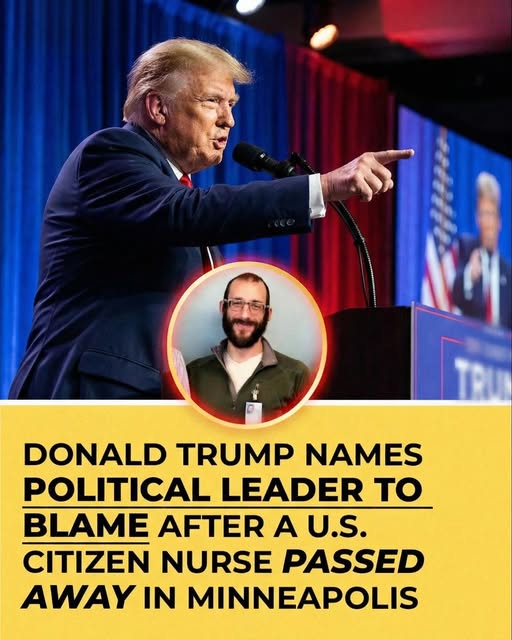
On a bitter winter morning in Minneapolis, a city already on edge from a months-long federal immigration enforcement campaign, the death of 37-year-old Veterans Affairs ICU nurse Alex Jeffrey Pretti has detonated into something far larger than a single law-enforcement confrontation.
What began as a moment captured in grainy, citizen-shot video — roughly 10 shots fired in less than five seconds — has since spiraled into widespread public outrage, political firestorms, and fresh scrutiny of federal policy and practice.
From caregiver to symbol
In the days after the incident, Pretti’s name has quickly moved from a brief entry in an official statement to a rallying cry at protests, vigils, and online memorials. Colleagues describe him as a calm, competent nurse who comforted veterans in their most vulnerable moments; friends and neighbors paint a picture of a quiet man with a deep sense of fairness and a habit of showing up when others didn’t. Many recall him not just as a healthcare worker, but as a community presence — one who cared deeply about the city he called home.
But that human portrait now collides starkly with the language used by federal authorities. The Department of Homeland Security claims Pretti “approached officers with a handgun” and “violently resisted,” a narrative that has been met with immediate and vociferous dispute from his family, Minneapolis officials, and bystanders whose videos show Pretti holding a phone, not a weapon, just moments before he was subdued and shot by federal agents.
Political titans and local fury
As city leaders trade increasingly sharp statements, the tragedy has become a broad political battleground. Lawmakers from both sides of the aisle have called for investigations; local officials accuse federal agents of operating with scant transparency and accountability; prominent business leaders, including major corporate figures from the tech and finance sectors, have publicly condemned the actions of immigration enforcement officers.
Inside Minneapolis, the killing has reignited longstanding tensions around the federal presence in the city — tensions that were already inflamed by a larger immigration enforcement initiative known as Operation Metro Surge, which has brought thousands of agents into Minnesota and, now, multiple civilian deaths.
A family’s demand for truth
Amid the political back-and-forth, the humancenter of the story has refused to fade. Pretti’s family has demanded a fully transparent accounting of how a routine enforcement action turned into a fatal confrontation with a man who once stood at the bedside of critically ill patients, saving lives for a living.
For Minneapolis residents — already wary of federal operations that many feel lacked local coordination — the event has forced a difficult reckoning: can promises of public safety and enforcement be reconciled with the very real cost of another life lost, this time in broad daylight on a city street?
Whatever answers emerge from ongoing investigations, one truth is becoming clearer: in the cold streets of Minneapolis, the death of Alex Pretti has become more than a headline — it’s a symbol of deep national divisions over law enforcement, immigration policy, and the value of individual life in a fracturing political moment.