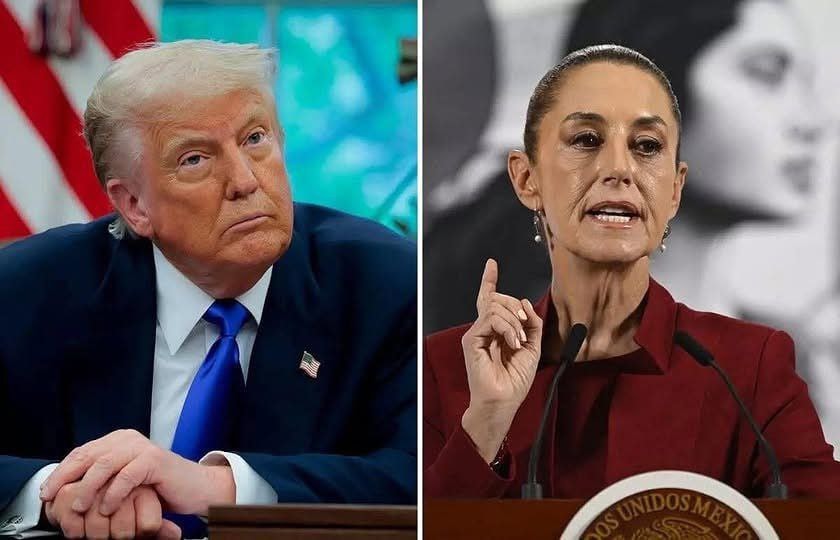
Shockwaves rippled across the globe within hours of former U.S. President Donald Trump’s dramatic announcement that the United States had carried out what he called a “very successful attack” on three Iranian nuclear facilities, including the heavily fortified Fordo site. The declaration landed like a thunderclap in world capitals, instantly raising fears that a simmering standoff had crossed into a far more dangerous phase.
Tehran’s response was swift and furious. Iran’s Foreign Minister, Abbas Araghchi, denounced the strikes as a flagrant violation of international law and the United Nations Charter, accusing Washington of recklessly undermining global stability. In a stark warning that sent diplomats scrambling, Araghchi declared that Iran “reserves all options” in deciding how to respond—language widely interpreted as leaving the door open to retaliation on multiple fronts.
In Israel, the reaction could not have been more different. Prime Minister Benjamin Netanyahu praised Trump’s decision as a historic and courageous act, framing the strikes as a decisive blow against what Israel has long viewed as an existential threat. Supporters hailed the move as a turning point, while critics warned it could ignite a wider regional inferno.
China, however, delivered a sharply worded rebuke, condemning the operation and urging all parties to pull back from the brink. Beijing called for immediate de-escalation, warning that military actions of this scale risked plunging the Middle East—and the global economy—into chaos. Russia echoed that criticism, accusing Trump of inflaming tensions and undermining diplomatic frameworks painstakingly built over years.
At the United Nations, Secretary-General António Guterres struck a somber tone. He cautioned that the attack represented a dangerous escalation in an already volatile region and stressed that diplomacy—not missiles—remained the only viable path forward. His warning was echoed across Europe, where leaders in the European Union and the United Kingdom urged restraint and called for an urgent return to negotiations before the situation spiraled further out of control.
Across the Middle East, anxiety spread quickly. Saudi Arabia and Lebanon voiced deep concern over the prospect of widening instability, fearful that retaliatory strikes or proxy conflicts could engulf neighboring countries. Iran-aligned groups, including Yemen’s Houthi movement, issued fierce condemnations, framing the attack as an assault not just on Iran, but on regional sovereignty as a whole.
From Asia to the Americas, governments weighed in with growing alarm. Leaders from Japan, Australia, South Korea, Mexico, Venezuela, and Cuba urged calm, restraint, and renewed diplomatic engagement, emphasizing the catastrophic human and economic costs of another major war. Even far from the battlefield, the sense of unease was unmistakable.
In a rare moral appeal rising above the geopolitical clash, Pope Leo called on the international community to step back from the edge of a deeper and more devastating conflict. He urged leaders to choose dialogue over destruction, warning that the consequences of escalation would be borne not by governments, but by innocent civilians.
As the world absorbed the implications of Trump’s announcement, one reality became clear: the strikes had not only reshaped the strategic landscape overnight, but also thrust the international community into a moment of profound uncertainty—one where every next move could determine whether diplomacy prevails, or the region plunges into yet another devastating war.