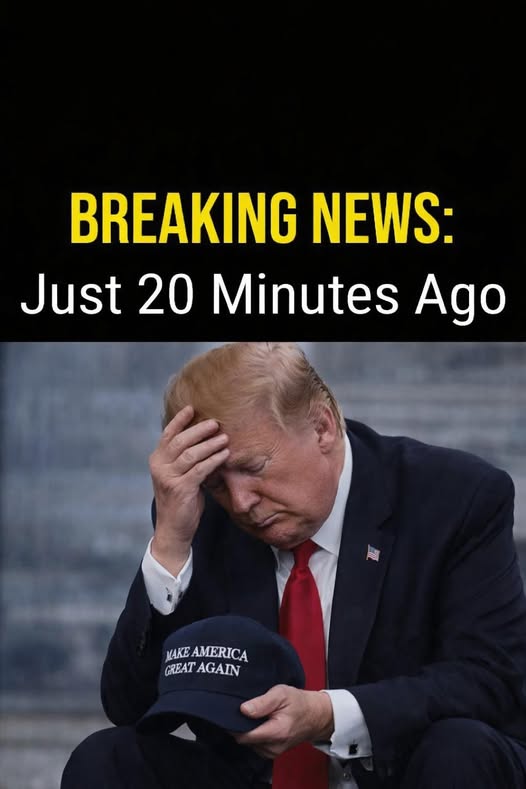
The warning did not come from a television pundit chasing outrage or a politician angling for attention. It came from a man who spent more than a decade rehearsing catastrophe in his mind so presidents would never have to experience it in their bodies. Dan Bongino, a former Secret Service agent, says he fears for Donald Trump’s life — and he does not say it lightly.
From Bongino’s vantage point, the danger is no longer abstract. He sees foreign adversaries watching closely, measuring opportunities. He sees domestic rage boiling hotter by the day, normalized through jokes, memes, and casual dehumanization. He sees institutions bending under political pressure, their authority questioned, their neutrality strained. And through it all, the country scrolls past the warning, argues online, shrugs, and moves on — as if the idea of political violence has become just another background noise.
Bongino’s alarm carries weight precisely because of who he is and what he was trained to do. His career was built on imagining worst-case scenarios, mapping threat vectors, and eliminating risks before they ever reached public awareness. In his world, complacency is deadly, and convergence is the most dangerous word of all. What he sees now is a former president sitting at the intersection of foreign vengeance, domestic radicalization, and a political culture that has grown disturbingly casual about the idea of elimination — treating assassination fantasies as punchlines rather than alarms.
When threats begin to converge like this, professionals stop debating probabilities. They stop asking if. They start asking when — unless something fundamentally changes.
Perhaps Bongino’s most unsettling fear is not simply that Trump is a target, but that the protective shield around him could be quietly weakened. Not torn down in a dramatic act, but subtly thinned — by politics, by optics, by bureaucratic hesitation, or by unspoken resentment within institutions that are supposed to be blind to ideology. That possibility should chill even Trump’s fiercest critics. Because the moment protection becomes partisan, the precedent is set. Every future leader inherits that vulnerability.
This is not about liking or loathing one man. It is not about defending a presidency or a personality. It is about whether a nation still believes that its institutions must stand above the blood sport its politics has become. Whether the rule of law, professional duty, and the sanctity of life still matter more than viral outrage and ideological score-keeping.
Bongino’s warning is not a prophecy. It is a plea — one rooted in experience, not theatrics. The question is whether the country will hear it before it learns, once again, what it means to ignore the people who are trained to see the danger coming.