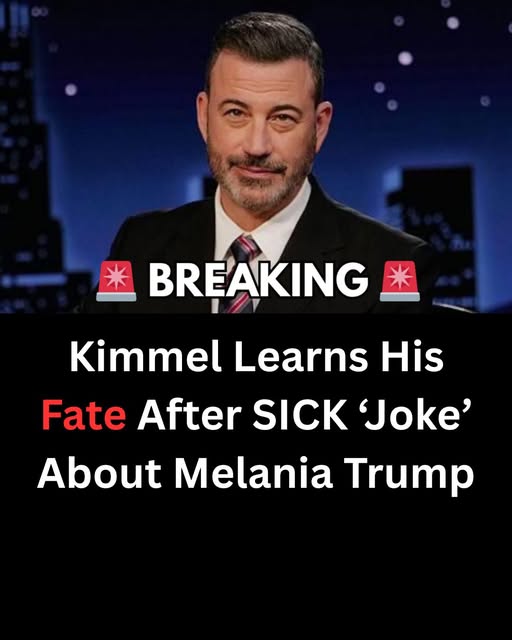
Kimmel’s joke didn’t just miss the mark—it detonated. What began as a late-night punchline quickly spiraled into something far bigger, sending shockwaves from Hollywood studios to the nation’s capital. Within days, the White House Correspondents’ Dinner—already simmering with tension—was rocked by gunfire, transforming a controversial quip into the center of a national firestorm. Now, Disney, ABC, and the broader media establishment find themselves caught in the blast radius. Donald Trump is openly demanding Kimmel’s firing. Industry insiders are breaking ranks. Even voices once aligned with the political establishment are stepping forward to condemn what happened. And looming over it all is a question Disney can no longer sidestep: where, exactly, does it draw the line?
What’s unfolding is no longer just outrage over a joke—it’s a deeper cultural clash over identity, power, and accountability. Kimmel’s “expectant widow” remark has become a symbol, interpreted by critics as evidence of a media culture that has grown callous, partisan, and detached from the values it once claimed to uphold. Trump and Melania’s public calls for consequences, combined with the horrifying violence that followed at the very event Kimmel mocked, have fused two separate घटनाओं into a single, volatile narrative—one that forces Americans to confront uncomfortable questions about the relationship between words, influence, and real-world consequences.
Inside Disney, the pressure is mounting from all sides. Some employees and outside critics argue the company has strayed far from its “wholesome” legacy, drifting into a brand of entertainment that prioritizes shock and cynicism over integrity. They see this moment as a reckoning—a chance, or perhaps a necessity, to recalibrate.
But not everyone agrees. Others within ABC warn that giving in to political pressure sets a dangerous precedent, one where outrage becomes a tool to silence voices rather than challenge them. To them, the stakes go beyond one host or one joke—they touch the very core of free expression in a polarized age.
Meanwhile, as prosecutors pursue the most severe charges against the alleged shooter, another kind of trial is unfolding behind closed doors in corporate boardrooms. Disney’s leadership isn’t just managing a PR crisis—they’re deciding what kind of cultural force the company wants to be. Do they lean into a vision of imperfect but earnest humanity, where humor still has a conscience? Or do they continue down a path where provocation and spectacle dominate, even at the cost of deepening divides?
The answer won’t just determine Kimmel’s future. It may shape the tone of American media for years to come.