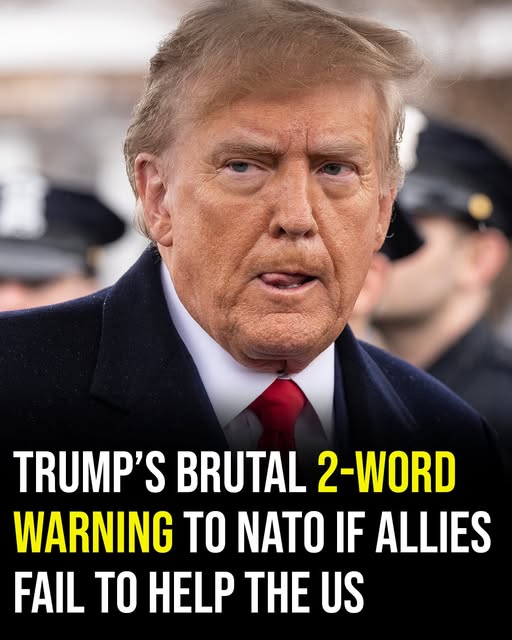
Oil prices are surging, warships are shadowing the horizon, and one miscalculation could trigger a shockwave felt across the global economy. The Strait of Hormuz—narrow, strategically vital, and now a flashpoint of escalating tension—is under pressure as Iran tightens its grip, effectively choking one of the world’s most critical energy arteries. Tankers sit immobilized, mines threaten passage, and every hour that passes raises the stakes. In response, President Donald Trump has issued a stark, no-nonsense warning to the United States’ closest allies: step up, take responsibility, or face consequences that could ripple far beyond the Gulf. NATO, China, and Britain have all been placed on notice as the world watches with bated breath, the tension almost palpable.
For Americans, the crisis is no longer an abstract geopolitical story unfolding “over there.” At the gas pump, each spike in fuel prices is a direct reminder that global instability has a way of landing in your driveway. Tehran’s threats against vessels tied to Washington or its partners are no longer distant bluster—they are a concrete, looming threat to the flow of energy, trade, and the fragile networks that keep the modern economy alive. The Strait of Hormuz is not just a line on a map; it is a lifeline, a narrow corridor through which nearly a fifth of the world’s oil flows, now teetering on the brink of disruption.
Trump’s approach is as bold as it is risky. By publicly questioning NATO’s reliability and calling out individual allies by name, he is seeking to apply pressure not through private diplomacy but through a kind of global spotlight—forcing countries to act under the glare of public scrutiny. The strategy hinges on creating economic and political incentives for swift cooperation. Yet in doing so, he also risks revealing the vulnerabilities he claims to fear: that some allies may falter when called upon, that solidarity may fracture when tested under fire.
As oil prices climb and tensions flare, the crisis in the Strait is no longer merely about keeping shipping lanes open. It has become a test of the very alliances designed to prevent catastrophe. Every decision, every hesitation, every threat could reshape the balance of power. The question looming over Washington, London, Brussels, and Beijing is clear: can these alliances withstand the pressure, or will the world watch as they unravel at the point where global commerce, diplomacy, and survival intersect?