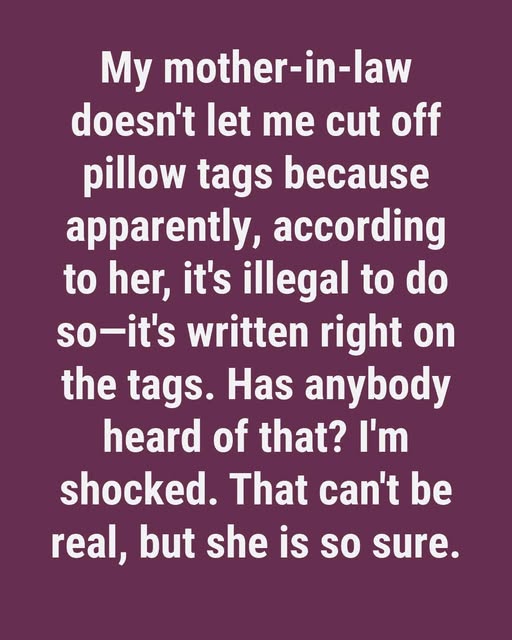
That terrifying tag on your pillow isn’t just annoying — it’s a relic from one of the strangest consumer scandals in American history.
For decades, before anyone thought to regulate what went inside our bedding, companies stuffed pillows, mattresses, and cushions with just about anything they could find — old rags, dirty floor sweepings, sawdust, even bits of horsehair and food scraps. To the naked eye, everything looked fresh and fluffy. But what people were really sleeping on was, quite literally, garbage.
When reports of illness, bugs, and fraud began to pile up, the government finally stepped in. In the early 20th century, new consumer protection laws required manufacturers to disclose exactly what their products contained. To make sure they couldn’t cheat, officials demanded that every pillow and mattress carry a bold, permanent label, stamped with the now-infamous words:
“UNDER PENALTY OF LAW THIS TAG NOT TO BE REMOVED.”
The message was meant for manufacturers and retailers, not you. But the language was so harsh — and so poorly explained — that generations of people grew up believing they could be fined or even arrested for snipping off the tag on their own bedding. The truth is much less dramatic: you can absolutely remove it once you’ve purchased it.
That stern warning was designed to protect you, not threaten you. It ensured companies stayed honest about what was inside their products, whether it was new, sanitary filling or a blend of recycled materials. As long as the tag stayed attached until the item reached the consumer, inspectors could verify that the contents matched what the label claimed. Once the pillow or mattress was sold, the law’s job was done — and your scissors were free to do theirs.
Still, before you snip that tag off in triumph, you might want to give it one last glance. That unglamorous label can actually be more useful than it looks. It often lists the exact filling materials (foam, down, polyester, etc.), safety certifications, cleaning instructions, and sometimes even warranty information. If you ever need to return, donate, or resell your mattress or bedding, that little tag can make the process far easier — especially for items used by kids or sold secondhand.
So the real choice is simple:
- Keep it if you want to hang onto the details or might need proof of purchase later.
- Cut it if it’s driving you mad and flapping in your face every night.
Either way, you’re not breaking any laws — only shedding a century-old misunderstanding. That once-terrifying tag has gone from a symbol of fraud prevention to a quirky reminder of how a few strong words, printed in all caps, can outlive the scandal that created them.