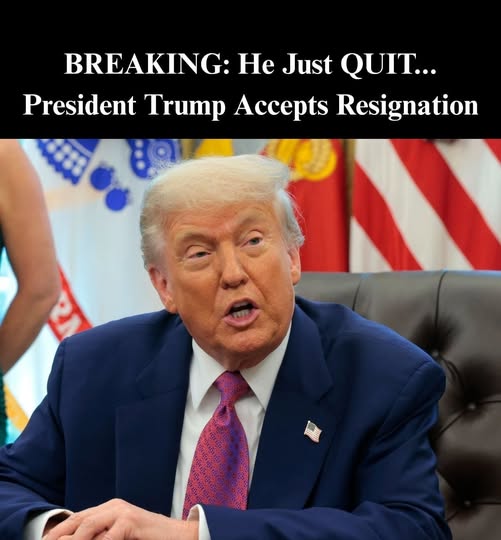
He didn’t retire. He detonated.
A federal judge appointed by Ronald Reagan—someone who once embodied the idea of quiet, lifelong service—did something almost unthinkable. He walked away from the safety and permanence of a lifetime seat on the bench. And the letter he left behind was not a farewell. It was a warning flare, shot upward into a sky he clearly believes is darkening fast.
Mark Wolf did not write like a man easing into the twilight of public life. He wrote like someone alarmed by what he sees happening to the rule of law itself. In careful but unmistakable language, he described a justice system being bent into a loyalty test, where allegiance to one man increasingly matters more than allegiance to the Constitution. Lines that once felt immovable, even sacred, he suggested, are now being crossed with alarming ease. Judges, he warned, are being pushed toward an impossible choice: conscience or survival.
That is what makes his resignation so jarring. Federal judges do not give this up. Life tenure is the ultimate insulation from politics, pressure, and reprisal. It is designed precisely so judges can stand firm when the winds turn ugly. By surrendering that protection, Wolf did not step away from responsibility—he embraced it in its most confrontational form. His departure was not graceful. It was deliberate. It was defiant.
In leaving, he shattered a comforting illusion: that the judiciary exists in a sealed chamber, untouched by raw political force. Wolf suggests that chamber is already compromised. His concern is not rooted in personal grievance or wounded pride. It is systemic. A system, he implies, that no longer merely discourages independence—but actively punishes it. One that rewards obedience, silence, and strategic caution while making examples of those who resist.
Between the lines of his letter lies an even darker truth. Fear, he hints, has become an unspoken presence in judicial chambers. Not loud fear. Not hysterical fear. But the quiet, corrosive kind. The kind that forces judges to calculate more than precedent and principle. The kind that makes them weigh the threat of retaliation, coordinated smear campaigns, and manufactured outrage alongside the law itself. When that happens, justice doesn’t collapse all at once—it erodes.
Wolf’s voice matters because of who he is. This is not a partisan firebrand or a recent appointee. This is a Reagan-appointed judge, steeped in institutional tradition, signaling that the guardrails he trusted are no longer holding. His resignation presses a question that is uncomfortable precisely because it is so hard to dismiss: if someone like him believes the system is being bent toward obedience, how long can anyone pretend this is just politics as usual?
This was not an epilogue to the Trump era. It was an interruption. A refusal to normalize what he sees as dangerous. By walking away, Wolf turned his resignation into a line in the sand—one drawn not between parties, but between independence and submission.
And now that line is there for everyone to see. The only question left is not why he left, but who is willing to notice—and which side of it we choose to stand on.