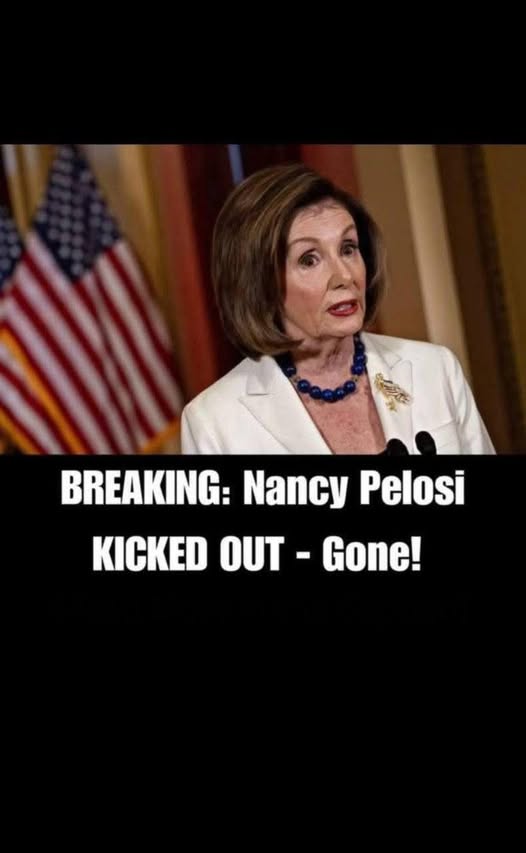
Nancy Pelosi believed she was engaging in a familiar Washington ritual—hard-edged rhetoric, defiant sound bites, and a public show of resistance meant to energize allies and frustrate an opposing administration. Instead, she may have stepped squarely into a legal snare. With one sharply worded letter, Donald Trump’s Justice Department transformed California’s sanctuary-state standoff from a political performance into something far more dangerous: the outline of a potential criminal case aimed not at federal agents, but at the state’s own leadership.
Overnight, the applause lines about “standing up to ICE” began to sound different. What once played as moral courage now carries the faint echo of a confession waiting to be read into the record.
The Justice Department’s letter does not bother sparring with California’s moral arguments or progressive rhetoric. It doesn’t debate compassion, values, or intent. Instead, it drops a legal charge straight through the heart of the narrative. By invoking the Supremacy Clause of the Constitution and explicitly warning that detaining, obstructing, or interfering with federal immigration agents could itself constitute a crime, Trump’s DOJ flipped the script entirely. The spotlight moved away from migrants and onto mayors, from protesters to prosecutors, from symbolic resistance to statutory exposure.
Every speech delivered at a podium, every press conference promising defiance, every carefully worded policy memo instructing local officials to “resist” federal enforcement now carries a new and unsettling implication. These are no longer just gestures meant to rile a base or dominate a news cycle. Under the Justice Department’s framing, they risk becoming evidence—statements of intent, patterns of coordination, and acknowledgments of obstruction.
For Pelosi, Governor Gavin Newsom, and their allies, the stakes have abruptly escalated. This is no longer a clash confined to cable news panels, fundraising appeals, or partisan talking points. The letter reframes the entire conflict as a constitutional test: can a state effectively nullify federal law simply because it rejects the president enforcing it?
Viewed through that lens, the confrontation stops looking like political theater and starts resembling a courtroom drama in its opening act. California sought to put Washington on trial in the court of public opinion. Instead, it may have placed itself under oath—where words are no longer applause lines, and defiance carries consequences measured not in headlines, but in indictments and judgments.