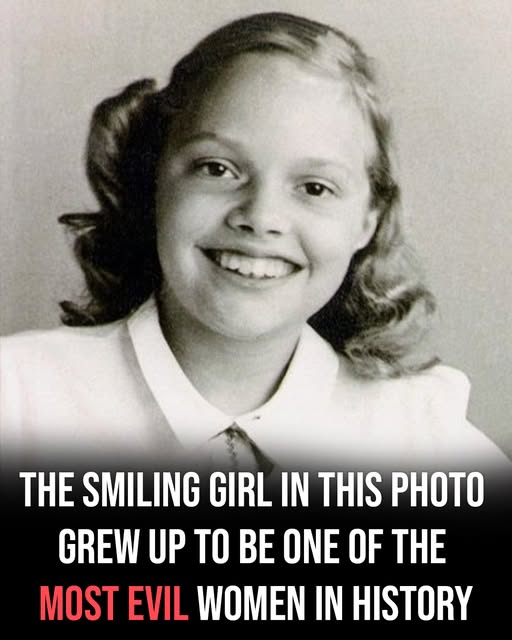
She entered the world already carrying wounds no child should bear—long before headlines reduced her to a label, long before the word monster was ever spoken in her direction. As a little girl, Aileen Wuornos was abandoned, abused, and discarded by the very people meant to protect her. Love, when it appeared at all, was fleeting and conditional; danger, by contrast, was constant and inescapable. Forced onto the streets at a young age, she learned how quickly safety could vanish and how survival often demanded choices no child should ever have to make.
Years later, a trail of bodies emerged along Florida’s highways, turning quiet stretches of road into grim crime scenes. One by one, victims were discovered, and with each revelation, the mystery narrowed. Eventually, all signs pointed back to the same woman—weathered, volatile, and already infamous. Law enforcement closed in. The press descended with ravenous intensity. Prosecutors sharpened their case as the nation watched, transfixed and unsettled. The central question echoed across television screens and front pages alike: was Aileen Wuornos a ruthless, cold-blooded killer, or the inevitable outcome of a life shaped by relentless cruelty and trauma?
In the harsh, unforgiving glare of courtroom lights, Aileen was stripped of every previous identity. She was no longer the frightened child, the homeless teenager, or the desperate drifter trying to survive on the margins of society. She was the accused. The confessed. The woman the media fixated on as America’s most notorious “female serial killer,” a label delivered with equal parts fascination and fear. Prosecutors portrayed her as a calculating predator who targeted men and led them to their deaths without remorse. Their narrative was clean, decisive, and terrifying.
Aileen told a different story. She insisted she had been fighting for her life, that each killing was born of terror rather than malice. She spoke of assaults and violations, of moments when she believed she would not survive the night. Whether her claims were fully true or tragically warped by years of trauma, they revealed a woman still reliving every horror she said she had endured. Her testimony blurred the line between self-defense and vengeance, leaving jurors—and the public—grappling with uncomfortable questions.
When the verdict was delivered and death row became her final destination, the roar of the outside world slowly receded. The cameras moved on, but the consequences did not. Behind prison walls, Aileen lived in isolation, surrounded by silence punctuated only by interviews and legal proceedings. Documentaries and headlines continued to dissect her life, attempting to pin down a single, definitive truth. Yet the reality remained tangled and unresolved, caught somewhere between fury and grief, guilt and despair.
In her final moments, Aileen Wuornos spoke words that were fragmented, unsettling, and deeply human—defiant to the end, yet unmistakably wounded. Even then, she seemed haunted by the same fear that had followed her since childhood: the fear of being utterly alone. Her story endures not because it offers easy answers, but because it refuses to. It forces us to confront a painful reckoning—when a life is forged in abandonment, violence, and neglect, where does personal responsibility truly begin, and at what point does tragedy already seal its course?