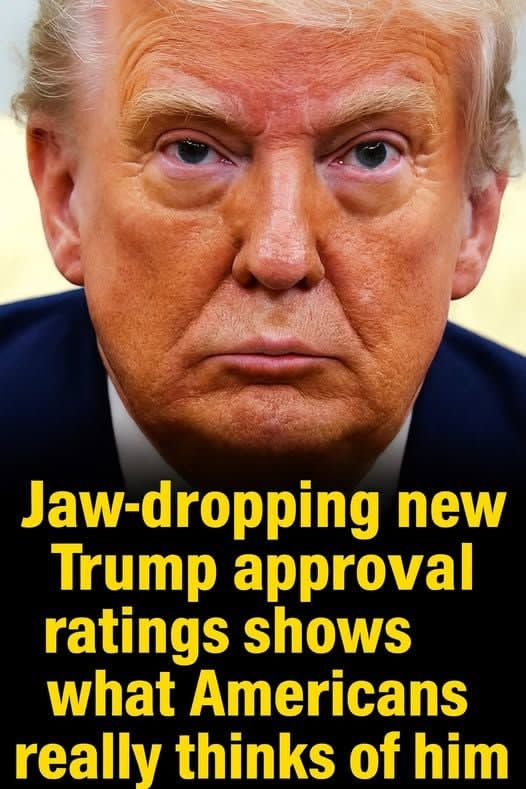
New national polling paints a far less rosy picture of President Donald Trump’s political standing than the one he presents to the public. Even as Trump insists that his second term is unfolding smoothly and successfully, a growing share of Americans appear unconvinced—and increasingly dissatisfied.
According to a recent CNN/SSRS survey of 1,245 adults conducted between October 27 and 30, Trump’s approval rating has fallen sharply to 37 percent. Just eight months earlier, in February, that number stood at 47 percent. The ten-point drop places the president near one of the lowest approval levels of his presidency and signals a significant erosion of public confidence. At the same time, a decisive 63 percent of respondents say they disapprove of Trump’s overall performance in office.
The bleak assessment extends beyond the president himself to the broader mood of the nation. Americans are overwhelmingly pessimistic about the country’s trajectory, with 68 percent saying things in the United States are going “pretty badly” or “very badly.” For many households, the anxiety is rooted in everyday economic realities. Rising prices, mounting household expenses, and persistent cost-of-living pressures dominate kitchen-table conversations—and the poll reflects that strain.
Nearly half of respondents, 47 percent, identified the economy and the cost of living as the single most important issue facing the nation. Concerns about the health of American democracy follow closely behind, with 26 percent naming it as their top worry. By contrast, immigration—one of Trump’s most frequently emphasized themes—ranked far lower, with just 10 percent of Americans calling it their primary concern.
Many voters do not see these problems as abstract or unavoidable. Instead, they place responsibility squarely on the administration. A clear majority, 61 percent, say Trump’s policies have made economic conditions worse rather than better. On the global stage, 56 percent believe his leadership has weakened America’s standing in the world, reinforcing perceptions of diplomatic isolation and diminished influence.
Alarm about the scope of presidential power is also growing. Sixty-one percent of those surveyed say Trump has “gone too far” in his use of executive authority, a sentiment that suggests unease not only with specific policies but with the broader style and approach of his leadership.
These attitudes are already shaping the political landscape ahead of the midterm elections. The poll finds that 41 percent of voters say their ballot will be cast primarily to oppose Trump, while only 21 percent say they plan to vote in support of him—a striking enthusiasm gap that could have major implications for his party.
Trump, for his part, has rejected the findings outright. Posting on Truth Social, he dismissed the results as “Fake Polls” and reiterated his claim that he enjoys strong and widespread support among Americans. Whether the president’s fortunes rebound or continue to slide may ultimately depend on factors beyond rhetoric—economic trends, unfolding political battles, and the choices voters make as the midterms draw closer.
For now, the numbers suggest a presidency facing mounting skepticism, and a nation increasingly uncertain about where it is headed.