The shock rippled across campuses almost overnight.
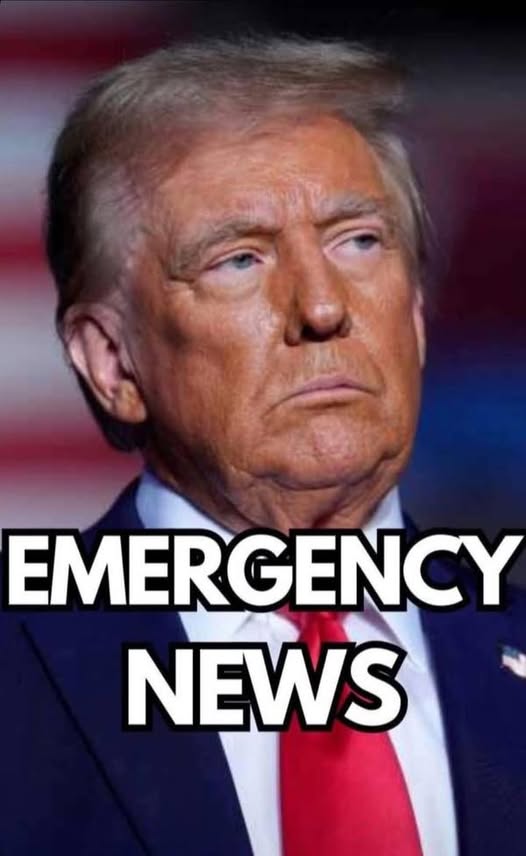
With the stroke of a pen, Donald Trump signed a sweeping executive order that sent a jolt of fear through universities nationwide, opening the door to the deportation of foreign students who take part in pro-Palestinian protests. By morning, international student group chats were flooded with panic and disbelief. Anger simmered beneath the fear. Confusion reigned. For thousands of students, the question was no longer academic or political—it was deeply personal. Their visas, their educations, their futures in the United States now seemed to hinge on how the government defines a single word: “support.”
What makes the order so powerful—and so frightening—is its ambiguity. By linking campus protests to existing immigration statutes that prohibit “endorsing” or “providing support” to designated terrorist organizations, the administration has granted itself enormous discretion. There is no clear line, no precise standard. A chant shouted in a crowded quad, a sign held for a photo, a social media post liked or shared—any of it could suddenly be reinterpreted as evidence. Ordinary student activism, once protected by campus norms and free-speech traditions, now risks becoming a legal minefield. One misread slogan could mean more than disciplinary action; it could mean detention, deportation, and permanent exclusion from the country a student may have called home for years.
Adding to the unease are reports that some alumni and outside actors are actively assisting efforts to identify protesters, turning university spaces into places of quiet surveillance. Trust fractures. Students glance over their shoulders. Friends wonder who might be watching, recording, reporting. The sense of safety that once defined campus life erodes, replaced by a constant calculation of risk.
Universities themselves now sit on a dangerous fault line. Caught between federal pressure and the long-held principles of academic freedom, administrators face impossible choices. Some appear ready to cooperate with authorities, citing legal obligations and funding concerns. Others hesitate, aware that compliance could fundamentally alter the mission of higher education as a space for debate and dissent. Meanwhile, civil rights organizations prepare for protracted legal battles, arguing that the order is not about security at all, but a direct assault on free expression—especially when exercised by noncitizens with the least power to defend themselves.
The immediate consequence is already visible: a chilling effect spreading across campuses. Protests thin out. Megaphones go silent. Students who once marched now watch from afar or retreat entirely, weighing every word they speak against the possibility of losing everything they have built. For many foreign students, the cost of being heard has suddenly become unbearably high—not just a grade, not just a warning, but the end of their American life in a single, irrevocable decision.