The bullet shattered more than a windshield — it fractured a community’s sense of safety, ignited national debate, and transformed a quiet Minneapolis street into the latest flashpoint in America’s fraught immigration wars. In less time than it takes to finish a breath, 37-year-old Minneapolis resident Renée Nicole Good was dead, and the nation was left struggling to make sense of what had just happened.
It was January 7, 2026 — a crisp winter morning that would soon be replayed endlessly across cable news, social media, and protest signs. Good, a mother of three who had moved to Minnesota with her family and was known for her creative spirit and community ties, was in her SUV when a U.S. Immigration and Customs Enforcement (ICE) agent fired three shots into her vehicle, killing her. Federal officials claimed the agent acted in self-defense during an immigration enforcement operation tied to the Trump administration’s broad crackdown, alleging Good’s vehicle posed a threat. Critics — including eyewitnesses, local officials, and legal experts — called that account deeply flawed and at odds with bystander video showing her car turning away from agents at the moment shots were fired.
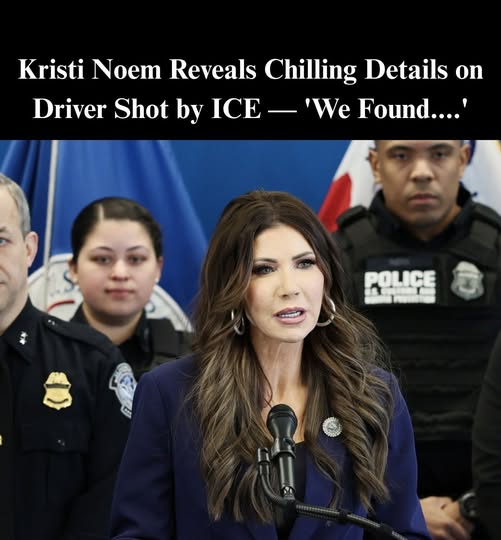
The federal narrative was stark: ICE said the agent responded reasonably to protect himself and fellow officers — and even labeled Good’s actions “domestic terrorism.” Local and state leaders, after reviewing shared footage and testimonies, branded that framing a lie, countering that Good had posed no clear threat and was not a criminal suspect when she was shot. Officials from Minneapolis and Minnesota demanded transparency, accountability, and an end to the aggressive federal operations that had roiled neighborhoods for weeks.
Into that fierce uncertainty poured politics and deepening mistrust. Tens of thousands took to the streets of Minneapolis and other cities, protesting the killing and the ongoing surge of federal immigration agents — even as Homeland Security doubled down on its enforcement strategy. The shooting became a Rorschach test for the nation: supporters of the administration argued the agent’s use of force was justified under stressful and chaotic conditions, while critics saw it as a grim example of unchecked federal power, uneven oversight, and the tragic costs of a heavily militarized immigration approach.
Complicating matters further, federal handling of the investigation has deepened local frustration. The Minnesota Bureau of Criminal Apprehension (BCA) pulled back from a full investigative role after being excluded by federal authorities, leaving the FBI in charge and limiting state access to crucial evidence — a move that has undercut public trust in the process.
The Justice Department’s reluctance to open a civil rights investigation — announcing it saw “no basis” for such a probe — has triggered political backlash and even resignations within the department, including several federal prosecutors who protested the sidelining of civil rights experts. Meanwhile, Good’s family has retained high-profile legal representation and is seeking answers and accountability through civil avenues while continuing to honor her legacy as a devoted parent and creative spirit.
Beyond the immediate tragedy lies a broader conflict over power and narrative: Is this a case of justified force under duress, or a deeply troubling instance of a federal agent taking a life without sufficient cause? For many in Minneapolis, the question isn’t abstract — it is about how law enforcement operates in their neighborhoods, whose lives are protected, and who gets justice when tragedy strikes.
One woman is dead.
One federal agent’s life and career are forever altered.
And a city already on edge must now decide whether what happened here was a necessary act of enforcement … or the latest unforgivable breach of public trust.