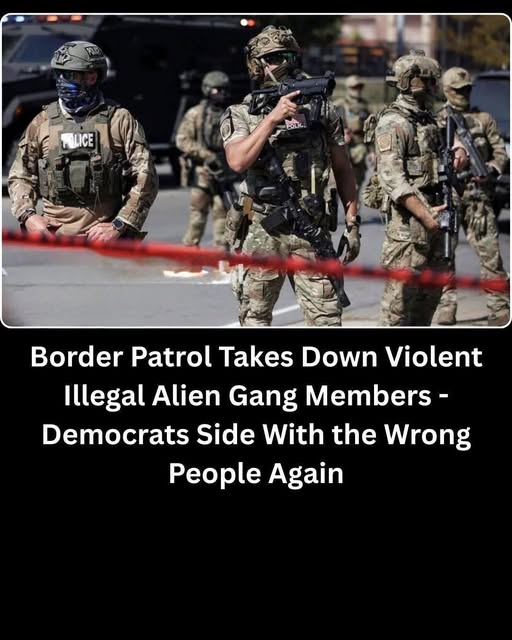
Blood hit the pavement long before the truth ever reached the microphones — and by then the political narrative was already written. In Portland’s Hazelwood neighborhood on Thursday afternoon, federal immigration agents shot and wounded two people during what the Department of Homeland Security described as a “targeted vehicle stop” outside Adventist Health Portland. The agency later identified the shooters as U.S. Customs and Border Protection (CBP) agents, not officials from Immigration and Customs Enforcement (ICE) — a detail that became painfully clear only after hours of confusion and heated condemnation.
Within moments of the first, chaotic 911 calls, powerful voices were taking to TV screens and social media feeds. Local leaders in Portland, a city long at odds with federal immigration enforcement, immediately denounced the incident as yet another example of “militarization” and aggressive federal overreach. Headlines blared; outrage spread. But in the frantic rush to condemn, facts lagged far behind fury.
Hours before it was confirmed which agency was involved, Portland’s mayor and state officials invoked broad critiques of federal immigration policy, drawing direct links to the Trump administration’s aggressive enforcement tactics. They decried the presence of armed agents in their city, demanded that ICE operations cease, and vowed independent investigations — all without knowing who fired the shots, why weapons were drawn, or whether anyone had even been attacked.
When authorities finally clarified that the officers on the scene belonged to Customs and Border Protection, the political storyline was already cemented in the public imagination. Local police stressed they had not been involved and had no advance notice of the operation. Meanwhile, federal officials urged patience, promising a methodical review of body-camera footage and forensic evidence — but their assurances struggled to compete with the early, emotionally charged narrative.
Even as details emerged suggesting the driver and passenger had alleged gang ties and that a CBP agent opened fire after the driver allegedly drove toward them, the dispute wasn’t just about what happened — it was about what was assumed to have happened. Portland, long critical of federal immigration enforcement, became a flashpoint once more.
This pattern — where the political context overtakes the unfolding facts — is not new. Similar dynamics played out after the Minneapolis shooting a day earlier, when an ICE officer fatally shot a woman under disputed circumstances and the national reaction leapt ahead of verified evidence.
In Portland, the rush to assign blame to an agency that was not present revealed something deeper than a simple misidentification. It unveiled a political environment where immigration enforcement has become a symbolic battleground, where narratives are drafted before reports, and where federal officers can be branded villains before anyone fully knows what actually happened.
And in that rush — with microphones hot and emotions hotter — the truth becomes an afterthought.