The shots came without warning.
No sirens, no shouted commands — just a burst of gunfire that tore through the cold Minneapolis air and shattered the fragile calm of a winter morning. In a quiet neighborhood not far from Powderhorn Park, a federal immigration operation ended in blood and disbelief.
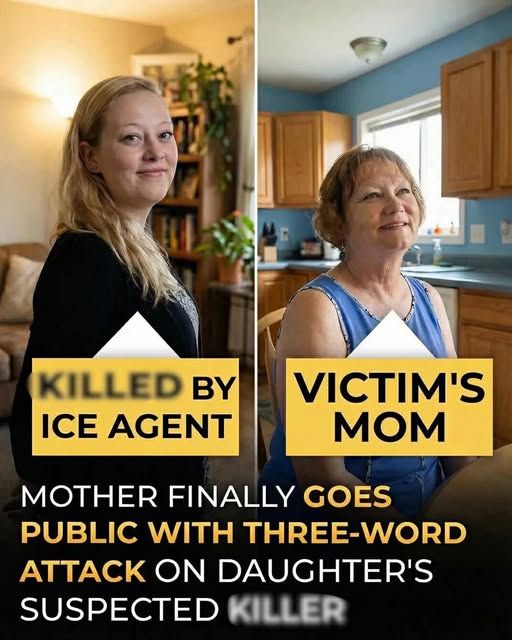
Renee Nicole Good, a 37-year-old poet, musician, and mother, was rushed to the hospital with multiple gunshot wounds. Hours later, she was pronounced dead. Officials called it self-defense. Witnesses said she was trying to drive away. Somewhere between those two claims lies a truth the city cannot ignore.
By afternoon, fragments of video began to circulate online — shaky, haunting clips of flashing lights, shouting, and the unmistakable sound of grief. In them, a woman’s voice screams for help. Strangers press against police tape. A snow-covered street becomes the stage for yet another American tragedy.
For many in Minneapolis, it feels like déjà vu — the same script, new names. Another death, another press release, another round of justifications wrapped in sterile language: “defensive action,” “operational integrity,” “credible threat.” But for those who loved Renee, these phrases mean nothing.
They remember her differently.
In the days since her death, Powderhorn Park has transformed into a living memorial. Hundreds gather nightly, their breath fogging in the freezing air as candles flicker against the snow. Hand-painted signs lean against tree trunks: “Justice for Renee.” “Poets don’t attack.” “Her words deserved to live.” Scraps of her poetry — scrawled in marker, pencil, even crayon — flutter on cardboard and paper, tied to railings and lampposts.
“She never raised her voice,” said one neighbor. “Even when life was hard, she’d bake cookies and drop them off at your door.”
Friends recall how she’d stay after open mic nights to cheer on younger writers, her laughter echoing through dimly lit cafés. Others remember her as the first to lend groceries, the first to listen, the last to judge. She was the kind of woman who carried softness like armor — in a world that so often mistook it for weakness.
Yet now, her name is part of an investigation — another file, another press briefing.
Federal authorities maintain that the ICE officer opened fire only after Renee “used her vehicle as a weapon.” Local leaders, skeptical of that claim, are demanding transparency. The city council has called for the release of all footage, dispatch recordings, and bodycam evidence — not just excerpts handpicked by Washington. Civil rights groups have joined the call, insisting on an independent investigation and new policies that prioritize the preservation of life over tactical convenience.
Minneapolis, a city still haunted by its past, now faces another defining moment. Whether it chooses silence or scrutiny will determine more than just how Renee Nicole Good is remembered — it will reveal what kind of justice its people truly believe in.
On cold nights, the vigil lights keep burning. Strangers read her poems aloud beneath the bare trees.
One line, written in her looping handwriting, has become the refrain of the movement rising in her name:
“Even in the dark, I will keep singing.”
Renee’s life ended in gunfire, but her words — and the demand for truth — refuse to die.