Thanksgiving generosity — that most quintessential American ritual of giving — just took a cynical turn.
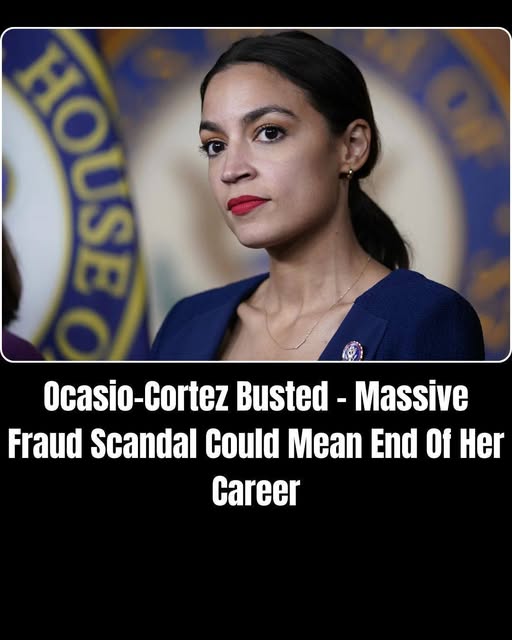
In New York City, thousands of donors opened their inboxes expecting something familiar: a warm, hopeful message about feeding families in need. The subject line carried comfort, the tone radiated compassion, and the sender was one of the country’s most recognizable progressive voices — Representative Alexandria Ocasio-Cortez.
But this year, something was different.
What looked like another feel-good holiday drive wasn’t exactly what it appeared to be. With a single click, those good intentions — the dollars meant to buy turkeys and feed struggling households — were quietly rerouted through ActBlue, the powerful Democratic fundraising platform that deposits directly into campaign accounts. In this case, it led not to a food bank or community kitchen, but straight into the coffers of Alexandria Ocasio-Cortez for Congress.
There was no obvious charity link, no clear explanation, no visible separation between the spirit of giving and the machinery of politics. The email’s message wrapped itself in the language of gratitude and community — “help families enjoy a warm Thanksgiving meal,” it read — but buried deep in the fine print was the quiet truth: this wasn’t a charitable drive at all. It was a campaign solicitation, dressed in the soft glow of holiday generosity.
In previous years, Ocasio-Cortez had partnered with local nonprofits, boasting real numbers — hundreds of turkeys distributed, families fed, volunteers mobilized. Those campaigns were part of a genuine community tradition that brought her national praise. But this year, that template quietly shifted. The emotion stayed the same. The language stayed the same. What changed was where the money went.
The move has ignited a fierce backlash — not just from critics on the right, but from disillusioned supporters who feel duped. To them, this isn’t merely a question of legality; it’s one of trust. When people give believing they’re helping the hungry, not bankrolling a reelection fund, the moral contract between public servant and citizen fractures.
Regulators may ultimately decide whether this maneuver violated campaign finance law or merely skirted its edges. But even if the letter of the law remains intact, the spirit of it feels unmistakably bruised. The blending of charity and politics corrodes something deeper than compliance — it erodes faith. Every blurred line between compassion and calculation makes it harder for genuine causes to earn belief, and easier for cynicism to take root.
The danger isn’t just in one politician’s inbox. It’s in what this kind of tactic teaches voters — that every emotional appeal might be a trick, every promise an angle. It feeds a growing public fatigue, a quiet suspicion that nothing in politics is ever given freely.
So this Thanksgiving, the lesson may be simpler than it seems. If you want your generosity to count, give it directly — to local food banks, shelters, and verified community groups that exist solely to help, not to elect. Politicians can fundraise for themselves. Hungry families should never be the bait.
Because when charity becomes strategy, everyone loses — except the campaign.