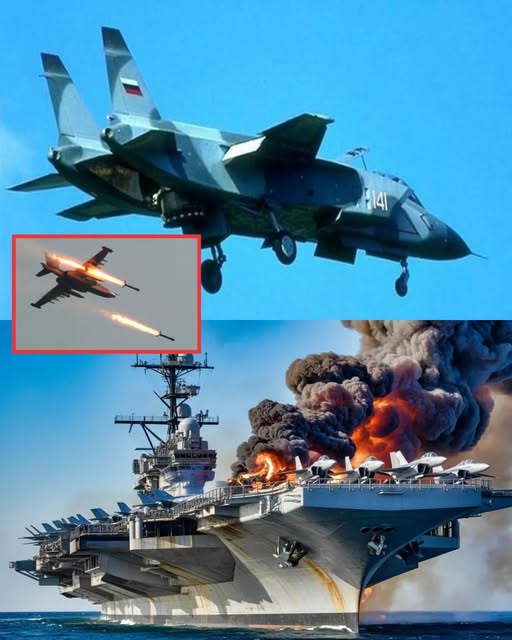
Reports circulating about a potential U.S.–Iran conflict—particularly claims involving a downed F-35 fighter jet—should be approached with a high degree of caution and critical thinking. At this time, there is no broadly verified or independently confirmed evidence from major, reputable news organizations indicating that the United States and Iran are engaged in an officially declared war in 2026. Likewise, there are no substantiated reports confirming that an F-35 aircraft has been struck by Iranian forces and forced to land.
In today’s fast-moving digital landscape, stories like these can spread rapidly, especially during periods of heightened geopolitical tension. Often, such narratives blend fragments of real-world developments with speculation, misinformation, or incomplete details, making them appear more credible than they actually are. While it is true that the United States and Iran have experienced years of strained relations, including intermittent military incidents and regional confrontations, an घटना of this magnitude would not go unreported or remain अस्पष्ट. It would almost certainly be covered extensively and consistently across multiple trusted international media outlets, accompanied by clear statements from official government sources.
An event involving direct military conflict or the loss of advanced aircraft like the F-35 would signal a serious escalation with far-reaching global consequences—politically, economically, and militarily. Because of this, it is especially important to distinguish between verified information and viral claims that may lack reliable sourcing.
For now, the most responsible and informed approach is to rely on established, credible news organizations and official briefings. Staying grounded in confirmed facts, rather than reacting to unverified reports, ensures a clearer understanding of what is truly unfolding on the global stage.