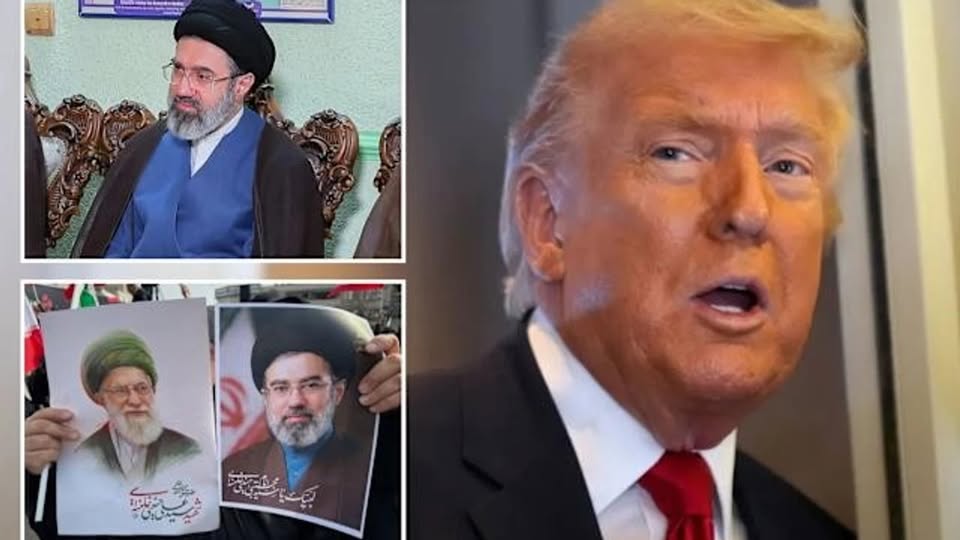
The first explosions did more than rip through concrete and steel—they tore through assumptions. In a single, violent instant, the fragile belief that this conflict could be contained dissolved into smoke. Reports of coordinated airstrikes by the United States and Israel on targets inside Iran signaled not just a tactical operation, but the opening of a far more dangerous chapter—one that the entire world immediately felt.
In Tehran, the response was swift and urgent. Military commanders convened behind closed doors, racing to piece together the scale and intent of the attack. Communication lines buzzed with updates, assessments, and contingency plans. Across the region, allied nations reacted with measured caution, wary of being pulled into a rapidly intensifying crisis. Meanwhile, global markets trembled, reflecting a different kind of battlefield—one driven by uncertainty, fear, and the anticipation of what might come next.
A single question echoed across capitals, newsrooms, and living rooms alike: was this the beginning of a wider war?
The strikes were reportedly carried out under the name Operation Epic Fury, a title that seemed to capture both the scale and intensity of the mission. According to U.S. and Israeli officials, the objective was clear—cripple Iran’s military infrastructure and significantly degrade its nuclear capabilities. They framed the operation as a necessary preemptive move, aimed at neutralizing what they described as imminent threats and preventing future attacks.
Visual evidence quickly flooded the digital world. Images and videos circulating online showed the aftermath—damaged compounds, smoldering facilities, and shattered air-defense systems. These glimpses of destruction painted a stark picture, though the full extent remained unclear. Iranian state media offered a different narrative, claiming that portions of the ആക്രമ were successfully intercepted and downplayed the scale of the damage. At the same time, it issued a stark warning: retaliation was not a matter of if, but when.
That warning soon took on a more ominous tone. Iranian leaders, in strongly worded statements, vowed what they called “devastating revenge.” Their rhetoric signaled resolve—and raised the stakes. The possibility that this confrontation could spiral beyond a single exchange of strikes became increasingly real.
Behind the scenes, a quieter but equally urgent effort was unfolding. Diplomats from Europe and other parts of the world moved بسرعة to de-escalate tensions. Calls for restraint poured in, with leaders warning that further aggression could ignite a broader regional conflict—one capable of destabilizing the entire Middle East and beyond.
Yet amid the high-level strategy and political maneuvering, it was ordinary people who felt the tension most intimately. In cities like Tehran and Tel Aviv, families sat awake through the night, glued to their phones, listening for sirens, refreshing news feeds, and waiting. Waiting for clarity. Waiting for safety. Waiting to learn whether the explosions they had just witnessed were an isolated shock—or the first tremors of something far larger and far more devastating.
In that uncertainty, the world held its breath.