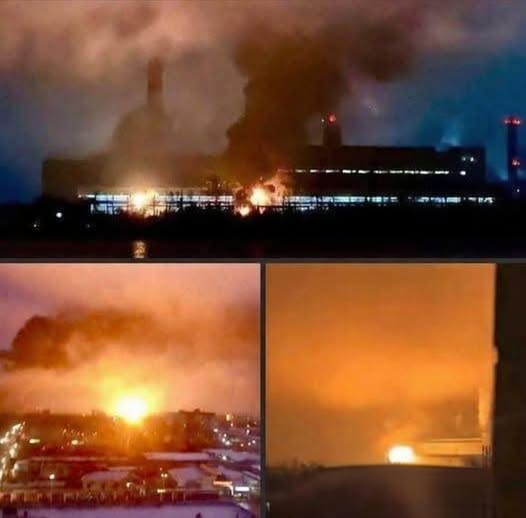
A sudden alert flashes across your phone screen. 🚨
The sound is sharp, unfamiliar, and impossible to ignore. Your stomach tightens instantly. For a split second, time seems to slow as your mind leaps ahead of the words on the screen. Before you even finish reading the notification, your imagination has already raced through a dozen terrifying possibilities. Is there a disaster coming? A security threat? Something happening right now that you weren’t prepared for?
In moments like this, the line between caution and panic can feel dangerously thin. In a world constantly connected to breaking updates, even a simple “precautionary” alert can sound like the beginning of a crisis. The word alone carries weight. It suggests danger somewhere on the horizon, something uncertain but potentially serious. And because our phones are rarely silent messengers, that sudden notification can feel less like information and more like a siren cutting through everyday life.
Yet the truth behind most of these alerts is far less dramatic than the fear they trigger. 📱
Today’s warning systems exist primarily to prepare people, not to frighten them. Governments, emergency management agencies, and international organizations routinely send out notifications as part of civil defense drills, weather monitoring systems, infrastructure tests, or regional security updates. These alerts are often proactive by design. They are meant to ensure that if something ever does happen, the public already knows how to respond.
When an alert says “precautionary,” it usually means exactly that: pay attention, stay informed, and be ready just in case. It rarely means that something catastrophic is unfolding at that very moment. But the modern information environment has changed how we interpret these signals.
In 2026, information moves at a relentless pace. Social media feeds refresh every second. News outlets compete to publish updates first. Commentators and influencers analyze events in real time, often before the full facts are known. In that environment, even the most routine alert can quickly take on a life of its own. ⚡
A message intended as a calm advisory can become the spark for widespread speculation. Screenshots spread across platforms within seconds. People begin asking questions, drawing conclusions, or sharing theories. Some posts claim insider knowledge. Others assume the worst. Within minutes, a simple notification meant to reassure the public can transform into what feels like evidence of an impending crisis.
This phenomenon isn’t just about technology—it’s about human psychology. Our brains are wired to detect threats. When something uncertain appears, especially something connected to safety or survival, we instinctively prepare for the worst. It’s a survival mechanism that once helped humans respond quickly to danger. But in a hyperconnected digital world, that instinct can amplify fear faster than facts can catch up.
And that is where the real risk begins. 🌍
The greatest danger surrounding many alerts isn’t the message itself, but the wildfire of misinformation that can follow. Speculation spreads faster than official clarification. A routine safety advisory can suddenly be described online as “proof” of a hidden emergency. Videos, posts, and dramatic headlines multiply the sense of urgency until it feels as if something catastrophic must be happening—even when authorities have said nothing of the sort.
The healthiest response in these moments is not panic but perspective. When an alert appears, the most reliable approach is calm, deliberate skepticism. Take a moment to read the message carefully. Check the source. Look for confirmation from official government channels, emergency agencies, or trusted news outlets. If the alert includes specific instructions—such as preparing supplies, avoiding certain areas, or monitoring updates—follow those steps thoughtfully.
Just as importantly, resist the urge to treat every dramatic interpretation online as fact. Social media often magnifies emotion rather than accuracy. The loudest voices are not always the most reliable ones.
Most of the time, these alerts are not warnings of catastrophe. They are reminders. Quiet signals that systems designed to protect communities are working exactly as they should. They exist to keep people informed, aware, and ready—not to send the public into a spiral of fear.
So the next time your phone lights up with an unexpected alert, pause before letting anxiety take over. 📲
Read it carefully. Verify the information. And remember that preparation is not the same thing as danger.
In many cases, that sudden notification isn’t the start of something terrible.
It’s simply a moment asking you to stay aware, stay informed, and stay grounded while the rest of the world rushes to conclusions.