The first breath wouldn’t come. Not for the stranger who collapsed suddenly in the bustling chaos of the mall, and not for the woman who found herself frozen in the moment, caught between instinct and panic. In that instant, her life cleaved into two distinct halves: the life she had known before she stopped, and the life she would live after. Around her, the world continued in fragments—shoppers rushing past with oblivious eyes, the echo of footsteps, the distant hum of escalators—but for her, time slowed, compressing every heartbeat into a question she had never thought she would face: Could I save a life?
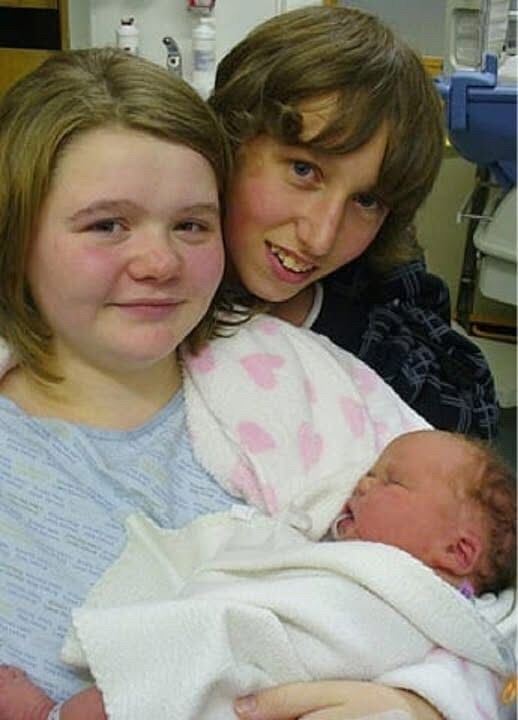
Across town, another kind of rupture was unfolding. Two teenagers, April Webster and Nathan Fishbourne, were about to feel the weight of a single night crush their innocence into something unrecognizable. Their world, once soft-edged and predictable, splintered under the harsh light of mistakes and exposure. Gossip rippled like wildfire, headlines screamed across digital and print pages, and adults whispered with the grim satisfaction of spectators. But beneath the noise, within the quiet of their homes, a different story was being written—one of resilience, of unexpected guardianship, and of love refusing to be silenced.
Back in the stark fluorescent corridors of the hospital, the woman who had stayed became something extraordinary—not because she had training, or authority, or a title, but because she chose presence when flight was easy. Nurses and doctors moved around her in a blur of professional urgency, machines beeped insistently, and yet she offered a steadiness that no monitor could record. She held a hand, whispered encouragements, met trembling eyes with unshakable attention. For the stranger gasping for life, her vigilance was not just comfort—it was the thin, luminous line between abandonment and hope. Her sacrifice never made the evening news, never became a headline, never earned applause. Yet in the quiet, it mattered more than anything the world could recognize.
Meanwhile, April and Nathan learned a different, cruel lesson: the world is always watching, always judging. Their errors were dissected, their fears broadcast for strangers to mock, and their tender adolescence became collateral in the court of public opinion. And yet, within their homes, another truth quietly took root. Family members returned, time and again, not to erase the past, not to pretend the trauma had never happened, but to bear it alongside them. They carried fragments of shattered nights, shared burdens that were not theirs by choice, and in doing so, revealed a reality that often goes unnoticed: real heroism rarely arrives with music swelling or cameras rolling.
True courage is quieter. It is the decision to stay when leaving would be easier. It is the hand held in silence, the whispered reassurance in the dark, the unwavering presence when no one else is watching. Heroism lives in the ordinary, in the deliberate refusal to walk away, in the patience to face terror, heartbreak, or shame head-on. In that quiet, radical space, ordinary people transform into lifelines. And in those small, uncelebrated moments, the world—though it may never notice—truly changes.