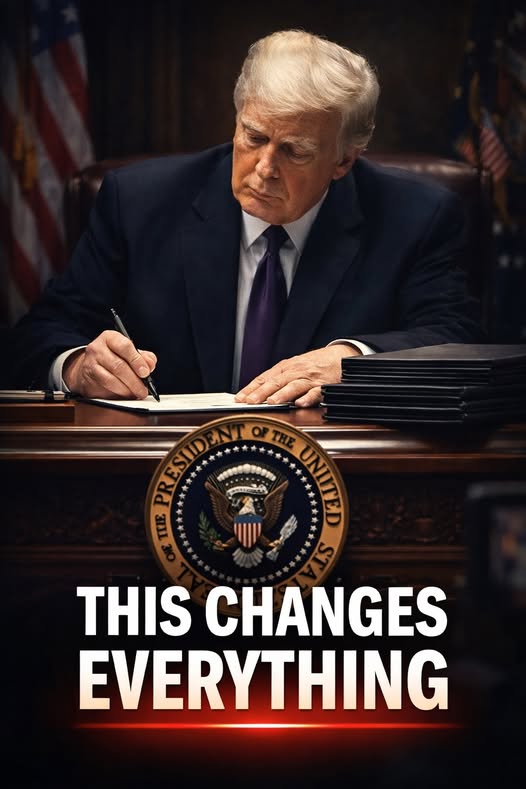
The chamber was meant to be a stage for unity — a place where the country, divided by policy and politics, could still pause for a moment and remember that it shared a single future. Instead, when the Joint Session of Congress concluded, the atmosphere inside the Capitol felt strangely hollow.
As Newt Gingrich stepped out of the chamber, he carried with him a judgment few political figures in Washington are willing to speak aloud. Something fundamental, he suggested, has broken inside the American system.
What struck him most was not a speech, a protest, or even a partisan jab. It was the silence.
Not the kind of silence that falls when people are thinking. Not the respectful quiet that follows a solemn moment. This silence felt different — colder, sharper, almost strategic. At points where applause once came automatically for bipartisan achievements, the room stayed still. Members remained seated. Hands remained folded. Faces remained fixed in quiet calculation.
For Gingrich, it was more than awkward political theater. It was a warning signal.
He described the moment as evidence that the machinery of American governance is beginning to suffer something closer to institutional organ failure. A legislative chamber that once found common ground in small gestures — applauding troops, celebrating national achievements, honoring ordinary Americans — now struggles even to acknowledge those shared moments.
And if Congress cannot muster basic, nonpartisan applause, Gingrich argues, it may no longer truly believe in the existence of a shared country.
Instead, the room looked like two rival teams occupying the same arena, each side watching the other with suspicion rather than partnership. The atmosphere suggested not disagreement, which has always been part of democracy, but something deeper: a sense that politics has become permanent warfare.
That eerie stillness, broadcast across the nation, seemed to reflect a much larger emptiness spreading through American public life.
For many viewers at home, the spectacle no longer feels like government in action. It feels like performance — a scripted drama where the outcome matters less than the optics. Politicians appear to be speaking to their party bases, not to the country. The result is a public that increasingly sees Washington not as a place of service, but as a stage set for endless confrontation.
The numbers reinforce that perception. Poll after poll suggests that roughly 82 percent of Americans believe the political system is corrupt or rigged in some way. Trust in institutions — Congress, the media, even elections themselves — has eroded to levels that once seemed unimaginable.
Gingrich frames the struggle in familiar partisan terms, portraying Republicans as reformers pushing against what he describes as an entrenched, bloated status quo defended by Democrats. But even within that argument lies a deeper and more troubling truth: the crisis he describes does not stop at party lines.
The problem, he suggests, ultimately engulfs nearly everyone in power.
In today’s political climate, many lawmakers fear a primary challenge from within their own party more than they fear national decline. Political survival often depends less on solving problems than on signaling loyalty to ideological camps. Optics frequently outrank outcomes. Performance replaces governance.
And when that happens long enough, the most valuable currency in democracy — trust — begins to collapse.
Gingrich’s warning is stark but simple: a country cannot function if its leaders forget how to recognize the nation before they recognize their factions. When applause for the country disappears, applause for the party soon becomes meaningless.
Because in the end, the American people are the audience watching the show.
And audiences, once they believe the performance is fake, eventually stop watching.
If leaders cannot rediscover the courage to stand for the country before they stand for their party, Gingrich fears the next silence Washington hears may not come from inside the chamber — but from outside it, when the public decides it has seen enough and simply walks away. 🇺🇸