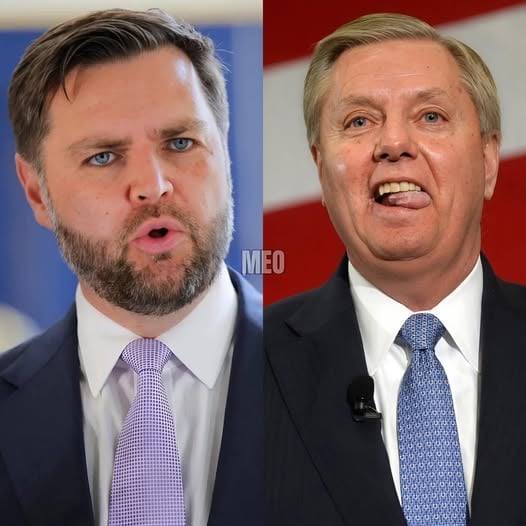
The room seemed to collapse into silence the moment the insult struck the air.
It wasn’t just a rude comment—it was a deliberate blow, sharpened by ego, authority, and weeks of quietly simmering tension finally spilling over. In an instant, everything in that meeting room changed. Conversations died mid-breath. Pens stopped moving. Even the faint rustle of documents seemed to disappear, as if the room itself was holding its breath, waiting for the inevitable explosion that usually follows when pride is challenged at that level.
Everyone expected it—the raised voices, the retaliation, the public unraveling of professionalism into pure emotion. Careers in that room suddenly felt fragile, like they could shatter from a single misplaced word.
But what happened next defied every expectation.
The man at the center of the insult didn’t react the way anyone anticipated. He didn’t flinch. He didn’t raise his voice. He didn’t even lean back in anger or forward in confrontation. Instead, he paused—just long enough for the tension to become almost unbearable—and then leaned slightly forward with an unsettling calmness in his expression.
His eyes stayed steady. Controlled. Focused. And when he finally spoke, his voice didn’t cut through the room with volume, but with precision.
One sentence. Quiet. Measured. Devastating in its simplicity.
Those who were present later described it as the kind of statement that doesn’t need force to land—it lands because it is unshakably certain.
For a moment, no one moved. The silence that followed wasn’t empty; it was heavy, almost physical. It pressed down on the room more forcefully than the original insult ever could.
The second official didn’t escalate. He didn’t mirror the aggression. He didn’t attempt to reclaim dominance through anger or embarrassment. Instead, he responded with calm clarity:
“If defending the public makes me a jerk, I’ll wear it proudly.”
There was no theatrical delivery. No attempt to win approval. Just a line spoken with the kind of conviction that ends arguments rather than continues them.
The effect was immediate.
The atmosphere shifted—not loudly, not dramatically, but unmistakably. The first official, who only moments earlier had been commanding the room with force, suddenly found himself without momentum. The weight of attention turned subtly, and with it came a realization: the outburst had not landed the way it was intended.
He said nothing else.
The meeting moved forward, almost awkwardly, as a senior aide quietly adjusted the agenda and guided the conversation away from the rupture that had just occurred. Papers were shuffled. Points were revisited. Business resumed—but something intangible had changed.
What had been routine minutes earlier now felt permanently altered.
And long after the meeting ended, the moment followed them into the hallways. People spoke in low voices, replaying it not just as a clash of personalities, but as a lesson in contrast—between reaction and restraint, between dominance and dignity.
Because while the insult itself would eventually be forgotten in the noise of politics and procedure, the response would not.
It became a quiet reference point: a reminder that power can be shouted, but character is often revealed in how little noise one makes when challenged.