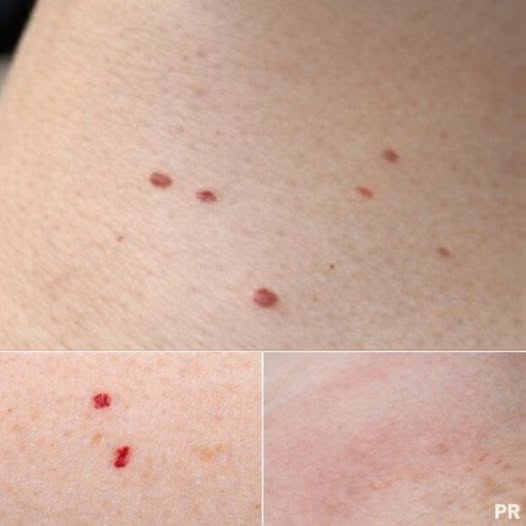
Noticing tiny red dots appearing on your skin can feel like a subtle warning—almost like your body is whispering that something is off, even if you can’t yet put your finger on it. At first glance, these marks might seem trivial, easily brushed aside as minor blemishes or irritations. Yet, the truth is far more nuanced. While many red spots are harmless, some are the body’s quiet signals of something more serious—hidden infections, blood disorders, or immune reactions your system can no longer keep under wraps. The danger doesn’t lie in the dots themselves—it lies in ignoring them, in thinking “it’ll go away on its own,” and missing the chance to act early.
The causes of these small, red blemishes are varied, and context is everything. Take cherry angiomas, for example—bright red, dome-shaped bumps formed from clusters of tiny blood vessels. Common as we age, they’re usually harmless, though they can bleed if scratched or irritated. Petechiae, on the other hand, are far more concerning. These flat, tiny red or purple dots sit beneath the surface of the skin and don’t fade when pressed. When they appear suddenly, they can be linked to infections, blood clotting abnormalities, or reactions to medications. Recognizing the difference can be crucial—and it often comes down to careful observation.
Other red spots are the body’s response to irritation or allergic reactions. Conditions like eczema or contact dermatitis may produce redness, dryness, and relentless itching, triggered by skincare products, detergents, fabrics, or even certain foods. Heat rash leaves clusters of red bumps after exposure to warmth or sweat, while keratosis pilaris causes harmless but stubborn little bumps, often on the arms or thighs. The sheer variety can make it easy to dismiss any new spot as “just another irritation.”
The real red flags aren’t the spots themselves—they’re the changes. Spots that spread rapidly, refuse to fade, or appear alongside symptoms like fever, fatigue, or sore throat demand attention. In those moments, waiting and hoping the dots disappear is far riskier than seeking medical advice. Consulting a healthcare professional is not overreacting—it’s safeguarding your health, catching potential problems before they escalate, and listening to the subtle messages your body has been sending all along.
Every dot tells a story. Some are innocent. Some are urgent. And your awareness—the act of noticing, observing, and acting—is the first step in understanding which is which.