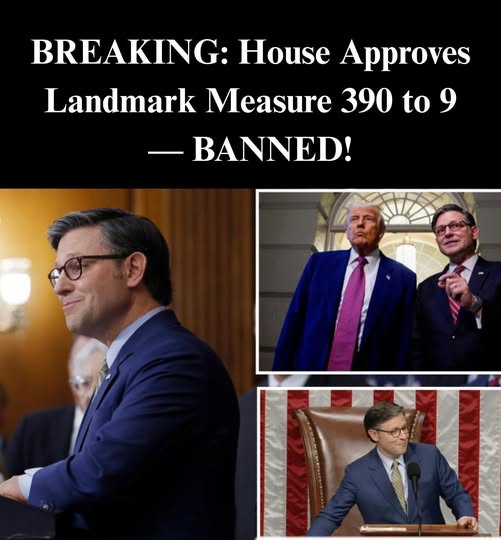
House Advances Bill to Create More Affordable Housing In Priority for Trump
The Republican-controlled U.S. House of Representatives passed a significant housing bill aimed at addressing the nation’s shortage of affordable homes. Still, experts say it is unclear how much it will directly reduce home prices for buyers and renters.
This past week, the House of Representatives passed a bipartisan bill, the Housing for the 21st Century Act, to increase the supply of affordable housing.
This development sets the stage for some political negotiations ahead. Previously, in October, the Senate passed its own bipartisan legislation as part of a broader package, but that was removed from the final bill. Now, the Senate is considering a stand-alone bill called the ROAD to Housing Act.
scale initiatives.
Additionally, the bill puts an end to redundant environmental assessments, allowing housing projects that have already received approval through one federal assistance program to bypass another review, as long as the project’s scope, scale, and location remain largely the same.
“Finally, the bill envisions a future of more manufactured housing by again changing some of the requirements related to this type of construction that might address the availability of affordable housing,” Fast Company reported.
We got into this crisis one unit at a time, and we will get out of it the same way—one unit at a time—through a range of coordinated strategies that expand supply, reduce costs, and improve access to affordable homes,” Dworkin said in a statement celebrating the passage of the legislation.
Among its provisions are funding for affordable housing developments, grants for infrastructure that supports new residential construction, and reforms designed to unlock private investment in housing markets. Lawmakers also included changes intended to encourage denser, mixed-use development in areas long restricted by zoning laws.
Also, the House bill aims to address potential roadblocks in construction activities by streamlining the review process mandated by the National Environmental Policy Act (NEPA). It specifically exempts certain housing-related projects from lengthy reviews, creating categorical exclusions for smaller-
Proponents argue that by boosting the overall housing supply and reducing regulatory barriers, the bill could help ease upward pressure on prices and rents over time.
Analysts and housing market observers caution, however, that the effects on home prices may be gradual and uneven. Housing economists note that national median home prices have been driven higher by a combination of low inventory, strong demand, rising construction costs, and state and local land-use policies that limit development. They say that while the new federal initiative may alleviate some constraints, it does not directly reduce the cost of land, labor, or materials — factors that account for a significant portion of housing costs.
Some experts also point out that because housing markets vary widely by region, any price changes may occur at different rates in different areas. Urban centers with strict zoning and high demand may see slower shifts than markets with available land and more flexible regulations.
The bill’s backers acknowledge that it is not a “quick fix” but say it represents a long-term strategy to improve housing affordability. Implementation by federal agencies and cooperation with state and local governments will play a key role in determining how effectively the law achieves its goals.