Chicago was once again rocked by violence over Labor Day weekend, as at least 54 people were shot across the city, leaving seven dead, according to police reports. The victims included two women, three men, and two individuals whose identities have yet to be confirmed. Authorities said most of the shootings appeared to be isolated incidents, with little connection between them, and only a handful of arrests have been made, highlighting the ongoing challenges the city faces in curbing gun violence.
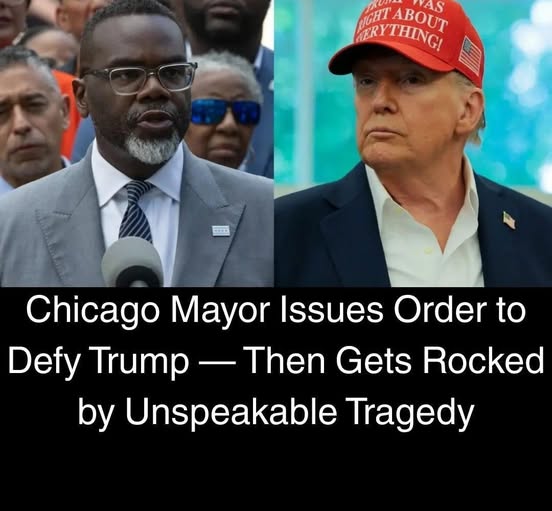
The alarming surge comes amid a tense political backdrop. Mayor Brandon Johnson moved quickly to assert local control, signing an executive order that prohibits Chicago police from cooperating with federal authorities, effectively blocking President Trump’s calls to deploy federal agents or troops to assist the city. Johnson described the move as a defense of Chicago’s autonomy and vowed to challenge any federal intervention in court, insisting that solutions must come from within the community rather than from Washington.
The White House, however, sharply criticized the mayor’s stance, accusing Democrats of politicizing public safety while failing to tackle the root causes of violence. The debate underscores a deep national divide over how to address crime in America’s largest cities.
Chicago itself is grappling with a grim reality: this year alone, the city has recorded 272 homicides, leaving families, neighborhoods, and officials struggling for answers. The Labor Day weekend shootings serve as a stark reminder of the persistent and complex nature of urban violence, and the heated standoff between local leaders and federal authorities adds another layer of tension to a city already on edge.