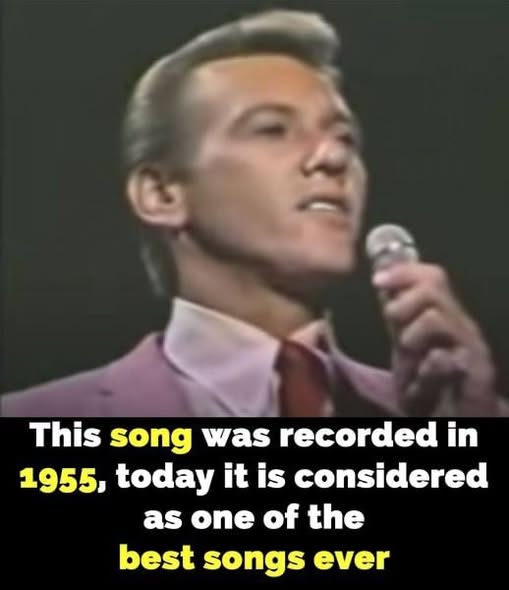
Written in 1955. Revived in 1965. Still Breaking Hearts Today.
Few songs in modern history carry the weight of longing and the ache of love quite like “Unchained Melody.” Its story is a testament to the strange alchemy of art: a forgotten movie theme transformed into a timeless anthem of desire, obsession, and heartbreak, echoing across generations. What began as a brief piece for an obscure prison drama would grow into a song that feels less like entertainment and more like an intimate confession to anyone who has ever loved and lost.
Originally composed in 1955 by Alex North, with lyrics by Hy Zaret, “Unchained Melody” was intended merely as the emotional underscore for Unchained, a film quickly fading from public memory. Yet the melody itself refused to be confined to cell bars or the silver screen. Its notes carried a raw vulnerability, and its words—a plaintive cry for love—slipped quietly into the hearts of listeners, hinting at a universality that even its creators might not have foreseen.
A decade later, in 1965, The Righteous Brothers unearthed this hidden gem and transformed it into something monumental. Bill Medley’s minimalist production paired with Bobby Hatfield’s staggering vocal—soaring, trembling, and utterly unguarded—turned a standard into an emotional earthquake. The song was no longer just a tune; it was a tidal wave of longing, a declaration that love, even when impossible or distant, demands to be felt and heard.
Legends like Elvis Presley recognized its power instinctively. On stage, he sometimes appeared on the brink of tears, his voice carrying the weight of loneliness and devotion in a way that few performers have ever managed. Each rendition of the song, by countless artists—over 670 and counting—adds a layer of history, a ghostly echo of heartbreak, yearning, and hope. Yet no matter who sings it, the essence remains: a desperate, fragile hope that love can survive time, separation, and all the trials that life throws in its path.
Decades after its creation, “Unchained Melody” continues to haunt listeners with the intimacy of a whispered confession, a private echo of the human heart’s deepest desires. In every note, every pause, every quiver of the voice, it reminds us why some songs are not merely heard—they are felt, lived, and remembered.