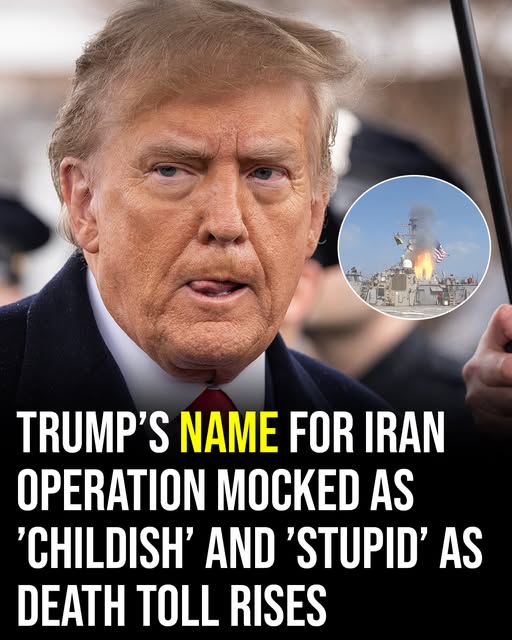
The name lands like a cruel punchline in the middle of chaos. Missiles scream across the skies of the Middle East, towns crumble under fire, and the air is thick with smoke, dust, and the cries of the wounded. And somewhere far away, in a gleaming, secure room in Washington, the Trump administration announces its latest strike on Iran with a flourish: “Operation Epic Fury.” The words hang in the air, incongruously grandiose, as if pulled straight from a video game or an action movie trailer. On social media, the reaction is instantaneous. Shock turns to outrage. Allies flinch, diplomats scurry behind carefully measured statements, and even some of the president’s most loyal MAGA icons recoil in disbelief. Meanwhile, the human cost climbs by the hour—children trapped beneath rubble, families counting missing loved ones, entire neighborhoods reduced to smoking skeletons.
As the dust settles from Tehran to Cyprus, the disconnect becomes unbearable. On one side, the cold, polished podiums of power, delivering a punchy, marketable name with all the pomp of a corporate rebrand. On the other side, chaos: frantic rescue workers sifting through debris, burnt-out airfields, hospitals overwhelmed, mothers wailing for the children they may never see again. “Epic Fury”—the phrase that is supposed to convey strength and decisiveness—feels grotesque when measured against blood and loss, a marketing slogan superimposed on the raw suffering of war.
The backlash is swift and piercing, slicing through the usual political allegiances. Critics are not merely questioning the military strategy; they are questioning the morality of naming mass death as if it were a blockbuster sequel. Even some of Trump’s staunchest supporters, accustomed to his bombast, are unsettled, shaken by the surreal spectacle of triumphalist rhetoric echoing over charred runways and smoldering graves. Memes and mockery fly online, but beneath the jokes, a darker, more urgent question lingers: if war can be branded like a summer blockbuster, packaged with a catchy title and a PR campaign, how easily will the architects of power greenlight the sequels? How quickly will real cities become backdrops for their next “operation,” and real lives mere collateral in a marketing strategy gone horrifyingly wrong?
In the end, it is not just the missiles, not just the drones, not just the rubble—it is the audacity of turning the most human of tragedies into a tagline, a spectacle, a story told as if war were something to be consumed, not suffered. And as the world watches, stunned and horrified, the gap between glossy political theater and the grim reality on the ground grows ever wider, leaving the faint, lingering taste of disbelief and moral outrage.