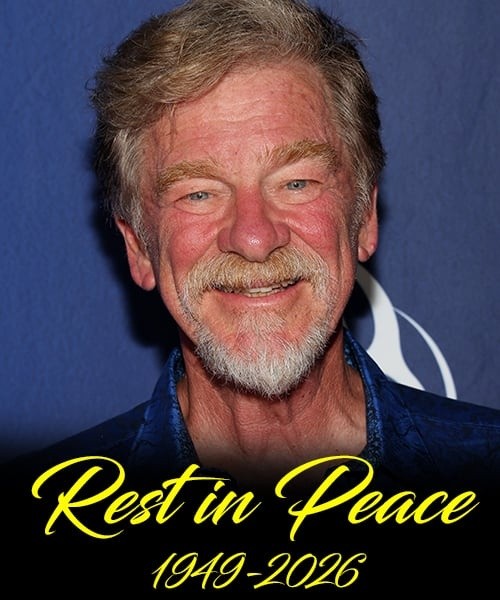
The news arrived like a fracture across the sky—quiet at first, then impossible to ignore. Roger Allers is gone, and with his passing, it feels as though a tender, luminous thread woven through so many childhoods has gently slipped from our grasp. For countless families around the world, his stories were not just entertainment; they were emotional landmarks. They taught us how to grieve without losing hope, how to find courage in the face of exile, how to stand on the edge of uncertainty and still believe in the sunrise waiting on the other side.
Now, the man who helped give the world one of its most unforgettable roars has fallen silent, and we find ourselves listening for echoes—soft refrains of music, whispered lines of dialogue, the swell of animated skies that once felt endless.
Roger Allers never sought celebrity. He was never the loudest name in the room, nor the face splashed across marquees. Yet his artistry illuminated millions of lives in ways that few storytellers ever achieve. As co-director of The Lion King, he helped craft a story that transcended its animated form to become something almost mythic. The sweeping plains of the Pride Lands were more than landscapes; they were emotional terrain. The loss of a father, the weight of guilt, the search for identity—these were not softened for children, but shaped with such grace and care that they became bearable, even transformative.
His touch could be intimate and hushed, too. In The Little Matchgirl, there were no sweeping savannas or triumphant choruses—only quiet snowfall and a fragile child holding flickers of warmth against the cold. It was a story of sorrow told with tenderness, proving that animation could cradle heartbreak without diminishing its truth. And in The Prophet, he embraced the spiritual and poetic, guiding audiences through meditations on love, freedom, grief, and transcendence. Across genres and tones, his work carried a rare emotional honesty.
Allers understood something profound about animation: it was never an escape from reality. It was a gentler doorway into it. Through color, music, and motion, he wrapped life’s hardest truths in beauty so they could be held without breaking us. He trusted young audiences with complexity. He believed adults still needed wonder. He crafted stories that met us where we were—and quietly nudged us toward who we might become.
Those who worked beside him speak not of ego, but of curiosity. Of humility. Of a quiet playfulness that could transform a struggling scene with a single insight. He had a gift for finding the heartbeat of a story—the one moment, the one turn, that made everything feel inevitable and true. He listened more than he spoke. And when he did speak, it was often to ask a question that opened a door no one else had noticed.
For those who grew up with his films, this loss feels strangely personal. It is the ache of losing a guide who had always been there in the background, shaping the emotional language of our childhoods. His name may not have been the one we repeated on playgrounds, but his fingerprints were everywhere—in the songs we sang at the top of our lungs, in the tears we tried to hide during certain scenes, in the quiet comfort of rewatching a story that somehow understood us.
Yet even in his absence, his work continues to breathe. It lives in a child humming “Circle of Life” without yet knowing why it moves them. It lives in a parent who still tears up at a line they’ve heard a hundred times. It lives in every young artist who first believed they could tell stories—because he showed them that stories could be both grand and gentle, epic and intimate.
Names may fade from headlines. Credits may roll and disappear into black. But feelings endure. And the feelings Roger Allers gave the world—wonder, resilience, tenderness, hope—will echo far beyond any single lifetime.